What a crust actually is
Maillard isn't caramelisation. Neither is a crust a seal. Here is what the chemistry actually does, and why the surface has to be dry before any of it starts.
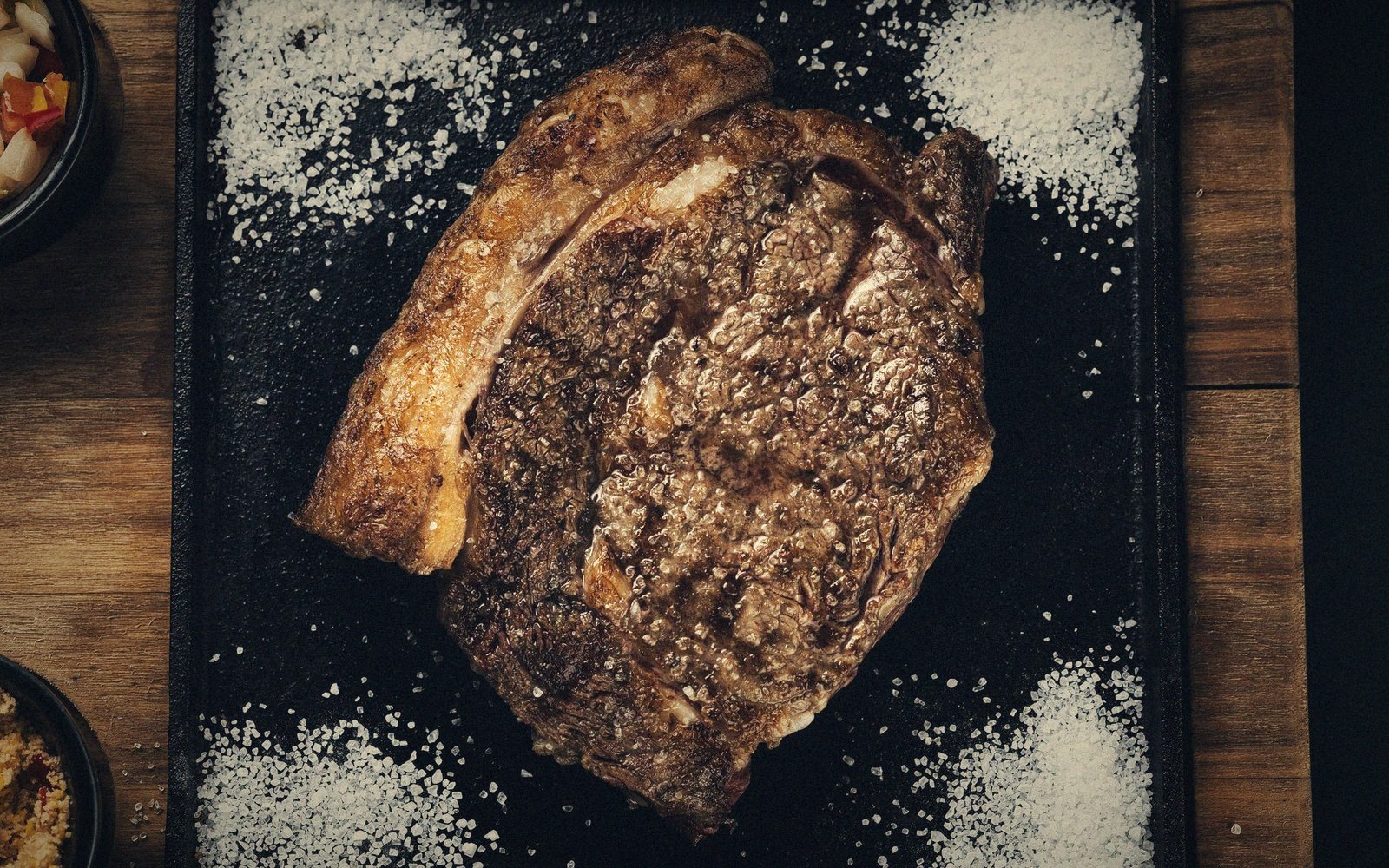
Maillard reaction onset: roughly 140–165 °C (285–330 °F); accelerates sharply above that
Photo: Tiago Morheto / Pexels
01The reaction and what it needs
The brown, savoury crust on a piece of meat over live fire is not caramelisation — that is sugars breaking down, and it matters in barbecue sauces and dry rubs, but it is not what colours a steak. The primary event is the Maillard reaction: amino acids and reducing sugars in the meat react together under high heat to produce hundreds of new flavour compounds simultaneously. The colour, the aroma, the deep savouriness that defines a good crust — all of it comes from that cascade of reactions. Caramelisation contributes at the edges, but the Maillard reaction is the engine.
Two conditions are non-negotiable. Temperature at the surface must reach roughly 140–165 °C (285–330 °F) for Maillard reactions to begin registering, and they accelerate sharply above that. The second condition is the one most often ignored: the surface has to be dry. Water boils at 100 °C. As long as surface moisture is present, the energy arriving from the coals goes into evaporation rather than into raising the surface temperature. The meat steams. It will not colour, no matter how hot the coals are or how good they look. Drying the surface before the cook is not a minor refinement — it is the prerequisite.
Surface browning needs dry surface and sustained contact heat.
02Contact, conductance, and what a grill can actually do
A grill grate transfers heat in two ways: direct conduction where the metal bars touch the meat, and radiant heat from the coals below that acts on everything in between. Grill marks are the evidence of conduction — and, as the entry on bars and marks makes plain, those marks represent only a fraction of the total surface area. Radiant heat does the work everywhere else, but it is slower and less intense than a scorching bar of hot iron. This is why grate temperature matters, why you preheat it, and why a cold grate or an oily grate slows crust formation.
The Maillard reaction does not care whether the heat came from conduction or radiation — it cares only that the surface is hot enough and dry enough for long enough. Sustained contact matters. Constantly moving the meat interrupts heat transfer, and a surface that never quite reaches the threshold just dries out without colouring properly. You are trying to tip the surface into a temperature range where chemistry overtakes moisture and runs. Get it there and hold it.
03Fat, basting and the myth of sealing
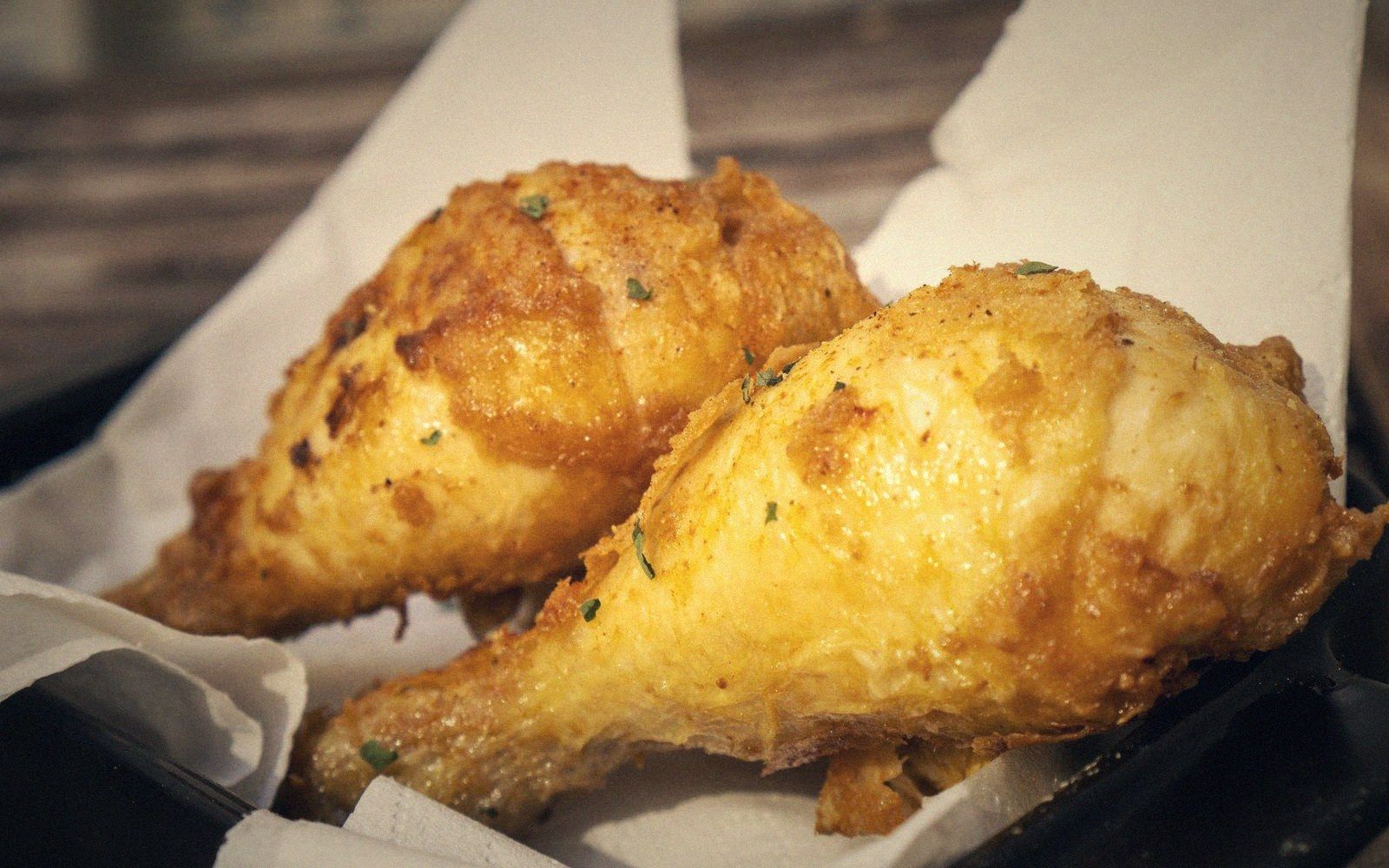
One persistent myth is that searing seals the meat, preventing moisture loss. It does not. Sliced meat after a hard sear loses juice at the same rate as meat cooked gently. The crust is a flavour event, not a physical lock.
Fat complicates the picture usefully. A higher-fat surface — think a well-marbled ribeye or a burger patty with real fat in the grind — does brown differently from lean meat. Rendered fat on the surface raises the local temperature and acts partly as a conduction medium, which is why fatty cuts form their crust faster once they are hot. It is also why a lean surface benefits from resting dry and working quickly at high heat, while a fatty surface has more tolerance.
Basting with fat-based sauces early in the cook is a way to accelerate this — the fat conducts heat into the surface. Adding sugary marinades too early, on the other hand, risks burning well before the Maillard chemistry has time to develop, because sugars char at lower temperatures than amino acid reactions hit their stride. Timing a glaze to the last few minutes is not convention — it reflects the different thermal thresholds involved.
A crust, then, is a specific chemical transformation that needs a specific set of physical conditions: a dry surface, sustained high heat and enough contact time to run. Everything else — the fire management, the grate work, the waiting — is just infrastructure to put those three things in the same place at the same time.
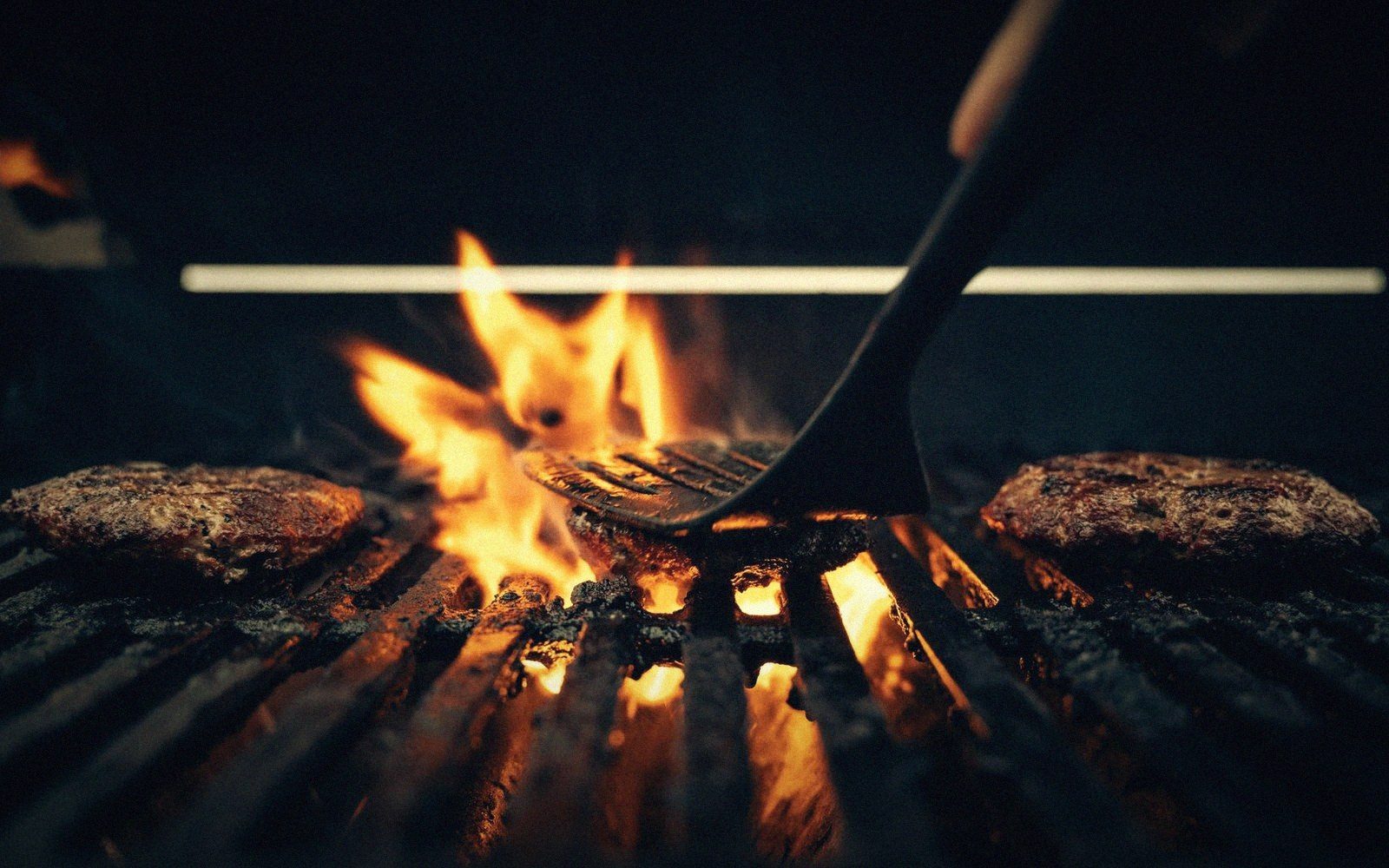
shows the surface contact point, suits the contact-and-conductance section
Photo: Chris F / Pexels
Read with this
Entries the register ties to this one.