The Stall
Your bark has set, the fire is steady, and the internal temperature has stopped climbing. This is the physics of evaporation, not a sign that something has gone wrong.
01What the meat is actually doing
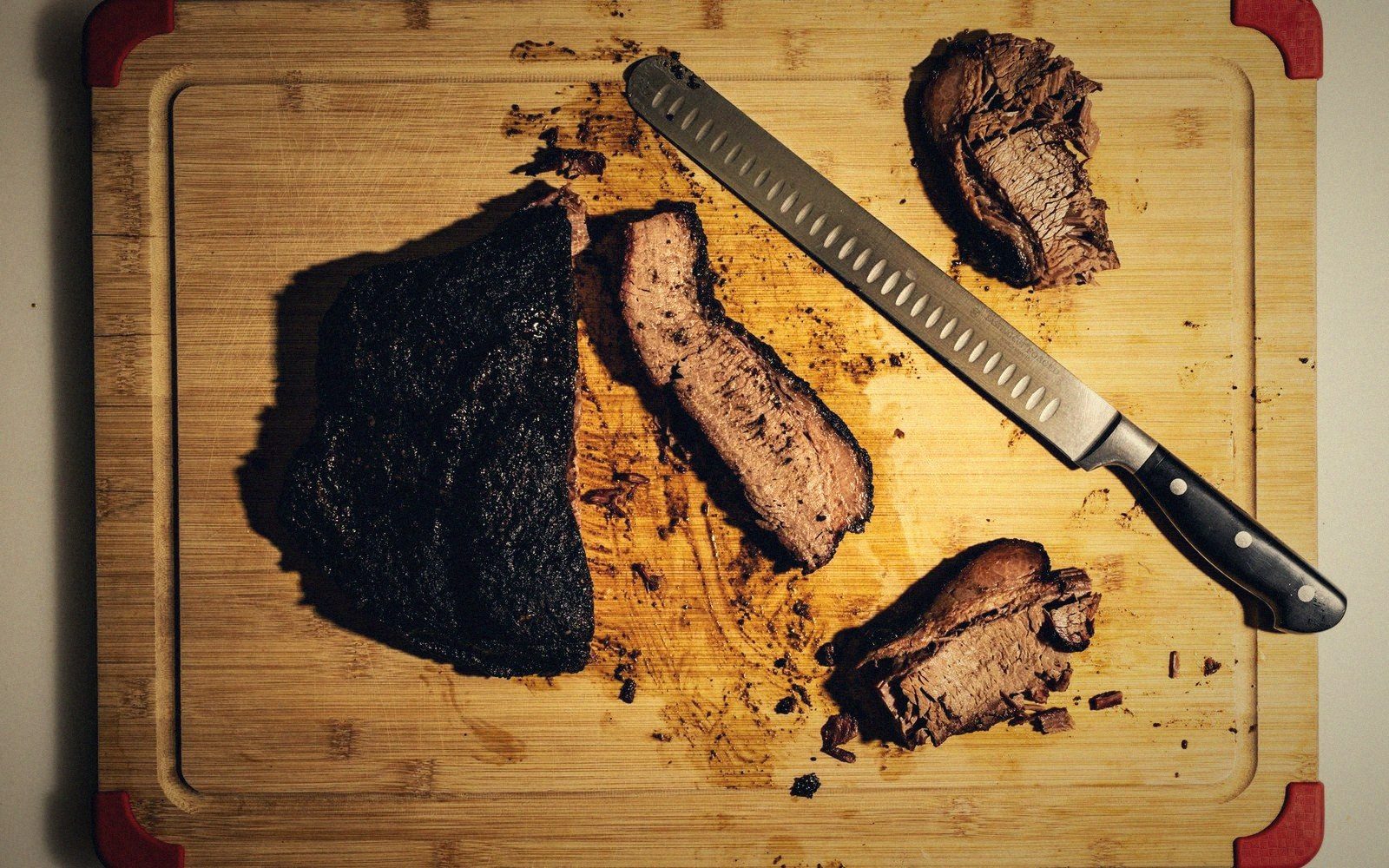
Pull up a long cook — a brisket flat, a pork shoulder, a bone-in leg — and at some point between roughly 150°F and 170°F the probe reading will flatline. Not drift slowly. Flatline, sometimes for two or three hours. The first time it happens, the instinct is to push more heat at it. That instinct is wrong.
What stops the temperature climbing is the same mechanism that cools your skin after a swim: evaporative cooling. As the meat's surface moisture turns to vapour, it carries heat away from the surface at almost exactly the rate the fire is adding it. The two forces reach a temporary equilibrium, and the internal temperature sits still while the battle plays out. The cook is not stalled. The surface is doing exactly what it should be doing — losing moisture, concentrating flavour, building the dry outer bark that makes the final texture possible.
A long cook sits at a temperature for hours because it is evaporating, not failing.
The stall ends when the surface moisture is depleted enough that evaporation can no longer keep pace with the fire. From that point, the temperature climbs again and continues toward the collagen conversion range, where connective tissue dissolves into gelatin and tight, tough muscle becomes something yielding and rich. That conversion — the real goal of indirect heat on a large cut — happens well above the stall temperature, typically around 200°F to 205°F for pork shoulder and brisket.
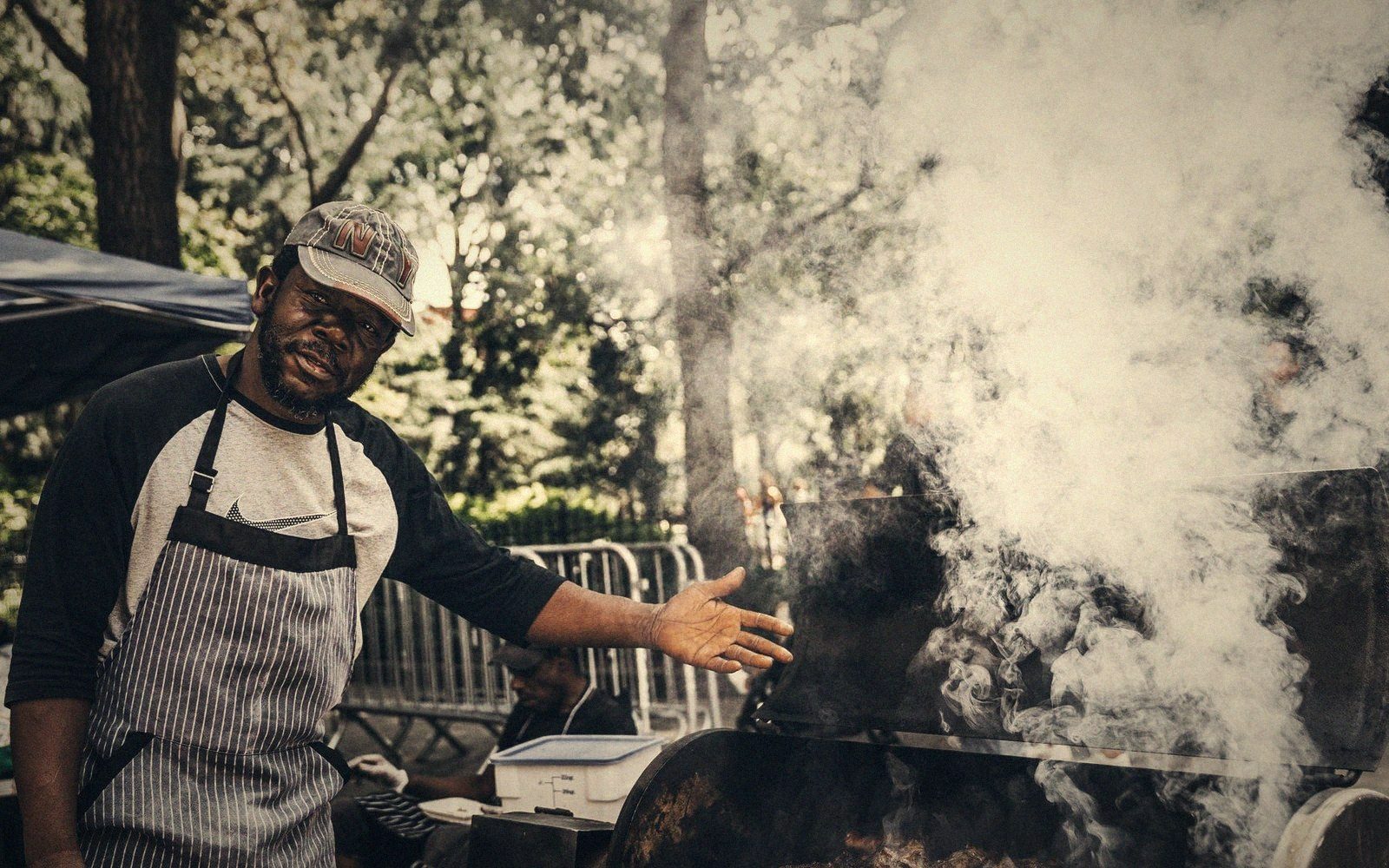
The only thing that genuinely defeats the stall is wrapping the meat tightly in foil or butcher paper once the bark is fully set. Foil traps moisture and eliminates evaporative cooling almost entirely; paper allows a little vapour exchange and preserves more bark texture. Either shortens the stall significantly. Whether to wrap is a choice, not a fix — unwrapped meat takes longer but can produce a harder, drier crust if that is the aim. Wrapped meat is faster and moister at the finish but may soften whatever crust has formed.
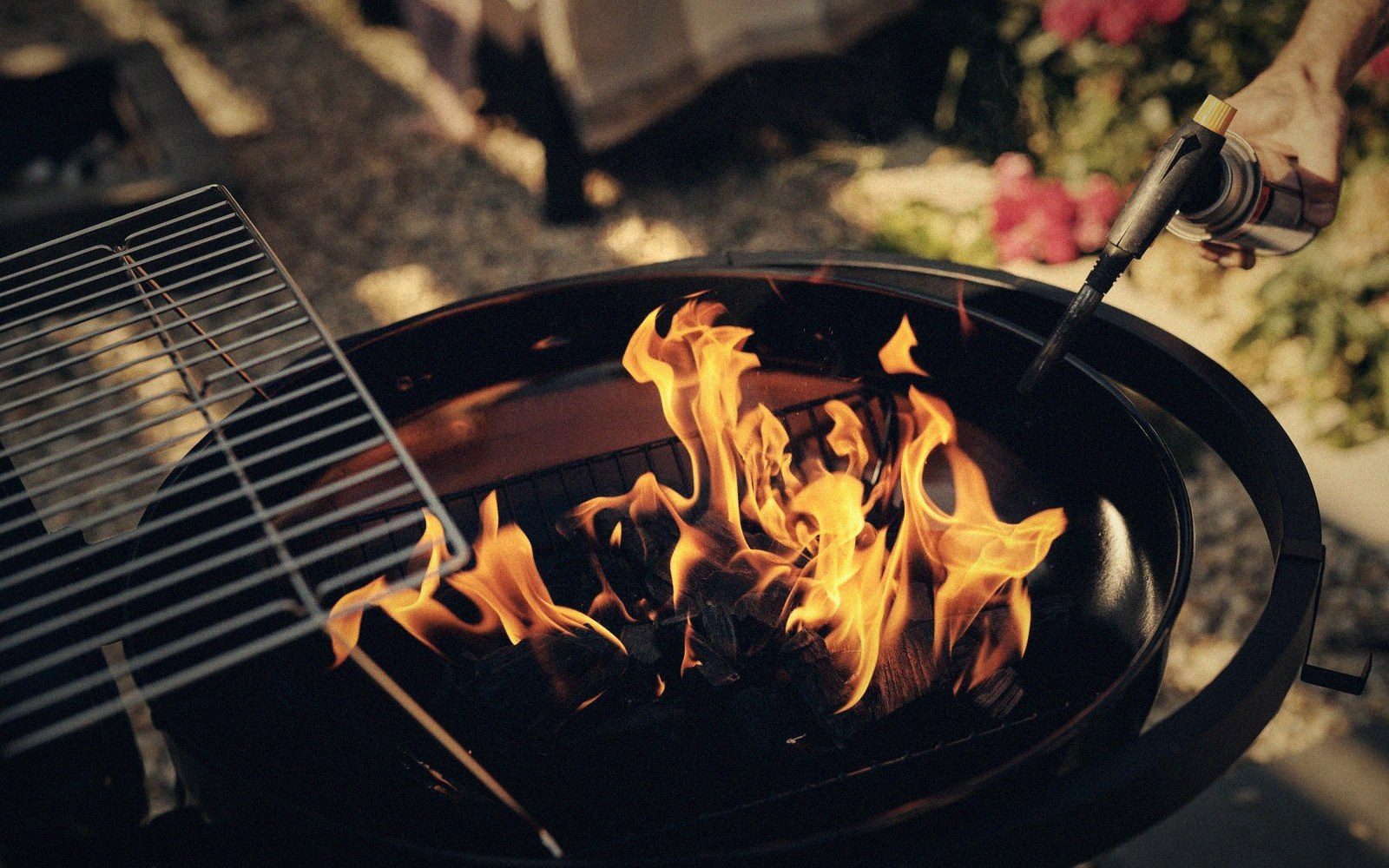
The practical lesson is simpler than the physics: plan the total cook time around the stall, not despite it. Budget an extra two hours you may or may not need, and hold the finished meat loosely covered if it arrives early. A fire running steady at 225°F to 250°F is doing its job even when the thermometer disagrees. The stall is not the cook breaking down — it is the cook working.
near the wrapping paragraph
Photo: Andras Stefuca / Pexels
Read with this
Entries the register ties to this one.