Two zones, or nothing
Bank the fire to one side and you gain a tool that a flat bed never gives you: a way out.
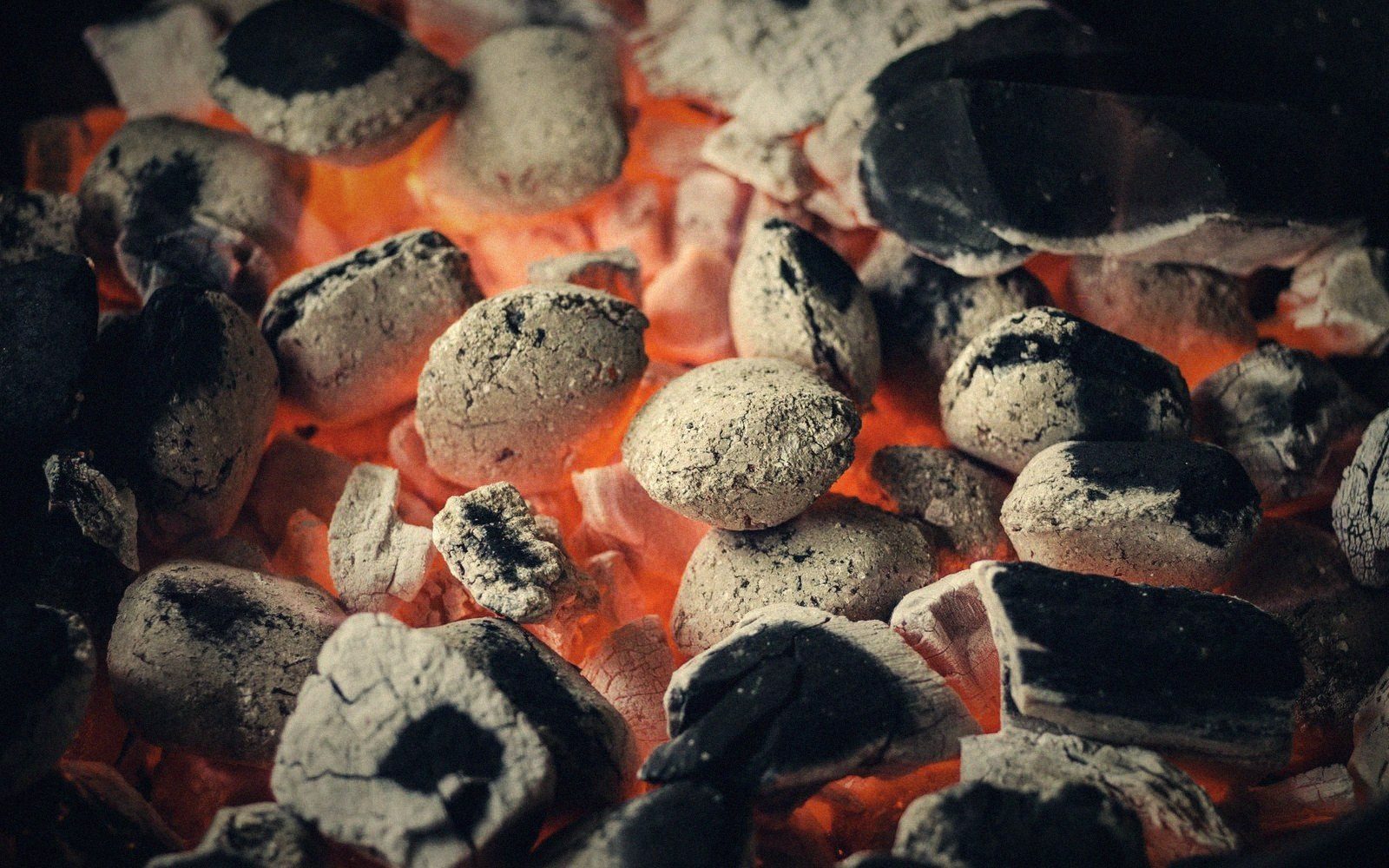
Direct zone: all lit fuel banked to one half; fierce radiant heat for surface browning
Photo: ClickerHappy / Pexels
01The problem with an even bed
Spread your coals flat and you have one temperature. Every point on the grate runs hot, and the only way to manage intensity is to move food up or down — raising it on a grill or brick, or pulling it back until the fire cools. You are working around the limitation rather than solving it. With a flat bed you can cook thin cuts reasonably well, and you can get away with a sausage or a chicken thigh, but anything with real thickness — a backstrap, a double-cut chop, a whole bird — will punish you for it. The outside chars before the centre has reached temperature. You pull it off-heat and cut into undercooked meat, or you leave it on long enough to cook through and find a crust that has gone past brown into bitter.
The issue is physics, not technique. Radiant heat from a glowing charcoal bed is fierce and directional: it drives a steep temperature gradient into whatever is above it. The outer centimetre of a thick piece can be at 180 °C while the core sits at 50 °C. There is no amount of turning or timing that bridges that gap without a second, cooler zone — because what you need is convective heat, not radiant. You need the food surrounded by hot air, not cooked from one face at a time. A two-zone fire gives you that. A flat bed cannot.
A single even bed of coals gives you one setting and no way out of it.
02How the zones work, and why the sequence matters
The setup is simple enough to describe. Push all your lit fuel to one half of the grill — stacked, not scattered — and leave the other half bare. Now you have what amounts to two cooking environments on the same grate. The hot side runs direct, radiant heat at its most aggressive. The bare side, with the lid on, becomes a convective chamber: the heat from the coals on the active side circulates above and around the food, cooking it evenly and from all directions without scorching the surface.
The standard advice is to sear first, then move to indirect. That logic is half right. Searing on the hot side first does build colour fast — what a crust actually is comes down to sustained dry surface contact with high radiant heat, which the direct zone delivers. But searing first gives you one problem: it closes nothing. Contrary to old kitchen mythology, a seared surface does not seal in juices. What it does is develop flavour compounds through Maillard browning and drive off surface moisture. If the meat is thick and cold from the fridge, you can build a good crust and still have a centimetre of grey, half-cooked meat under it before the raw interior begins.
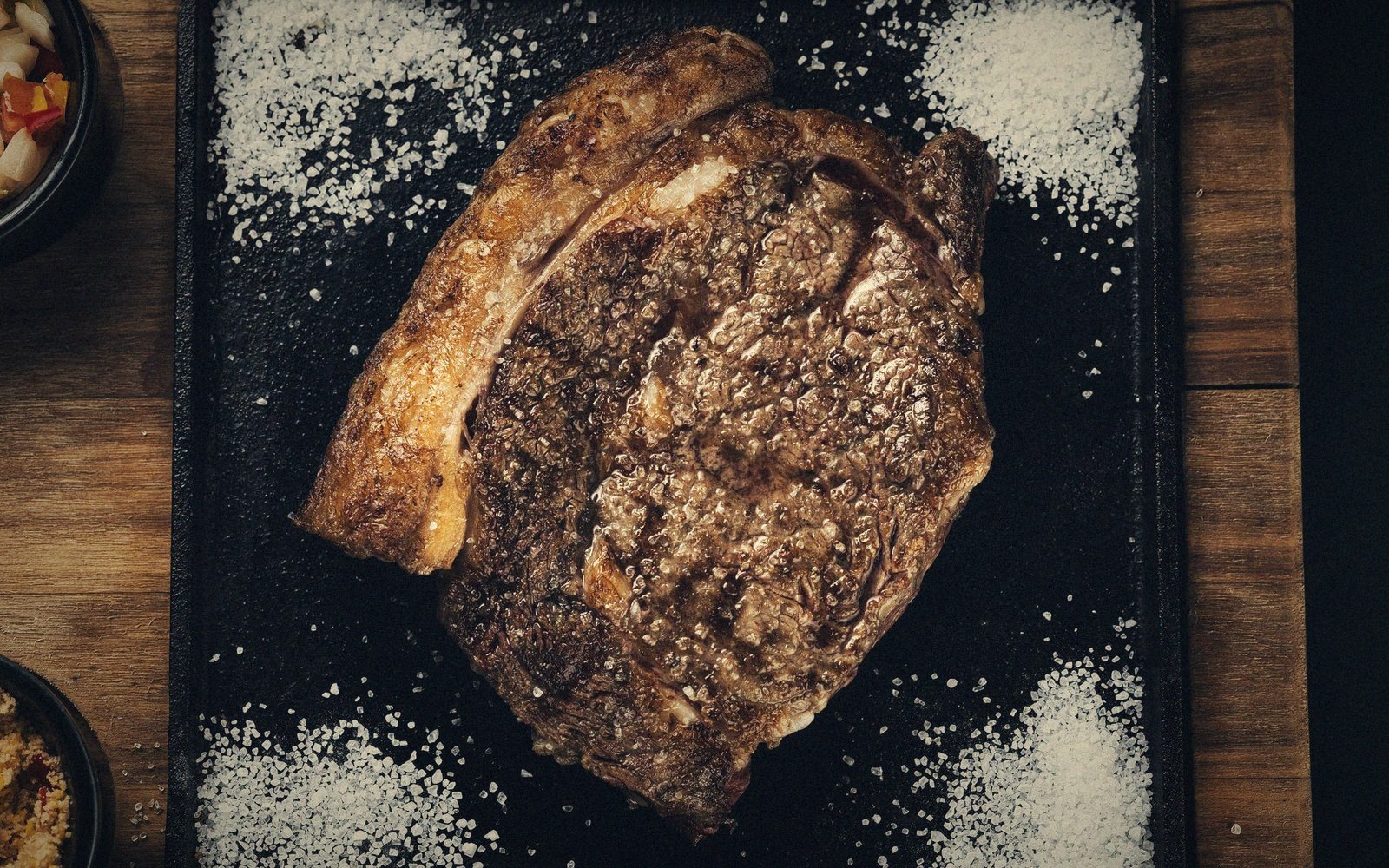
The reverse approach is often better: start the food on the cool side until the core temperature climbs to within ten or fifteen degrees of your target, then move it to the hot side for colour. The surface has had time to dry out during the indirect stage, which makes browning faster and more even when it hits the direct heat. You finish with a crust that forms in two or three minutes of contact rather than the extended scorching required to brown a cold, wet exterior. The end result eats better: colour is even, the interior gradient is gentler, and there is less of that dull grey band between crust and pink centre.
Which sequence you use depends on the cut. A thin steak — say, under two centimetres — will cook through entirely on the hot side during the time it takes to brown, so the indirect zone is irrelevant. But anything thicker than two and a half centimetres earns the two-stage approach. A butterflied leg of lamb, a pork loin, a thick bone-in ribeye: all of them need the cool side to do the interior work before the hot side does its finishing.
03Managing the fire as a resource
A two-zone setup changes how you read the grate. Distance is the dial on a single-zone fire — height is your only variable. With two zones, lateral position becomes the primary control, and it is far more precise. Moving food six inches across the grate is a larger change than raising it a notch, and you can make that move instantly, without tools or supports. The grate becomes a continuous dial, with the hottest point directly above the densest coals and a gradient running away from it to the bare side. You can park a piece mid-grate at medium heat, slide it toward the coals to accelerate, pull it to the cold side to hold. Nothing burns because you ran out of attention.
This matters most when you are cooking for more than one or two people. Timings never line up exactly — one piece goes on earlier, another is thicker, one person is not ready. With a flat bed you are negotiating a single setting for everything simultaneously. With two zones, things at different stages of cooking sit in different positions, and the arrangement itself manages the sequencing. The bare side also functions as a holding area. Food that has finished but is not yet ready to serve can rest there, covered, staying warm without drying or continuing to cook. It is the difference between serving everything at once at the right temperature and apologising as you shuttle food between the grill and someone's plate.
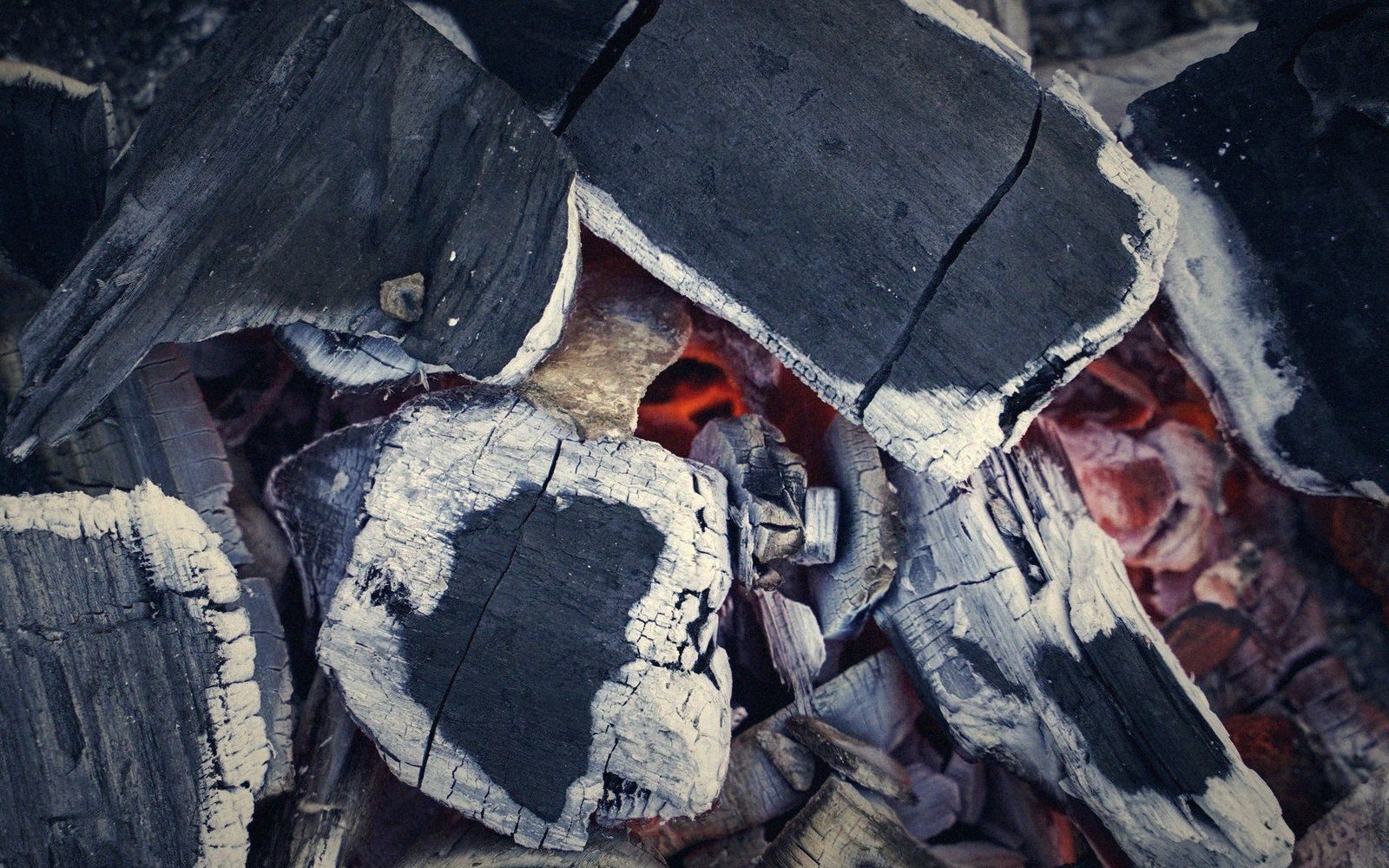
indirect stage in progress
Photo: Vilnis Husko / Pexels
One thing the two-zone setup does not solve is the fire's own trajectory. The coals are burning down from the moment they are lit, and the hot zone's output drops over time. A cook that starts on a bed of freshly ashed charcoal at peak heat will be working with a weaker fire forty minutes later. That loss of intensity matters less if you understand it and sequence accordingly: the cuts that need the most searing heat go on first, when the coals are fiercest; the longer, lower-temperature work happens as the fire settles. Plan the cook to the fire's timeline rather than fighting it.
The single-zone flat bed persists because it is the obvious interpretation of a lit grill — fill it, cook on it. But the bare half of the grate is not wasted space. It is doing the most important work on the whole surface. It is where the food actually gets cooked.
Read with this
Entries the register ties to this one.