The fire goes out
A charcoal bed is not a setting — it's a countdown. Plan the cook backward from that fact.
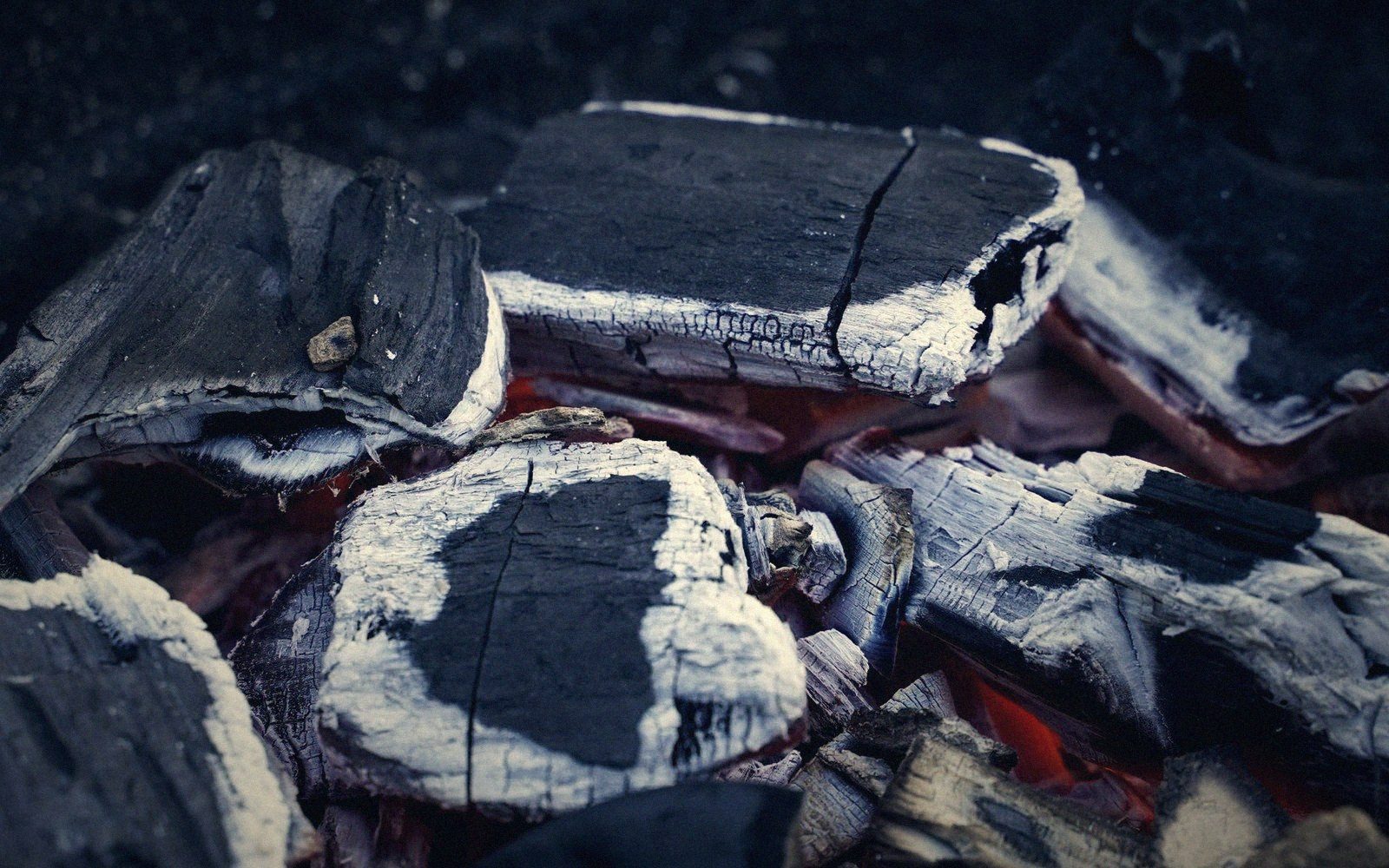
Peak output: first ~20 minutes after full grey ash; hottest, loudest sear
Photo: Vilnis Husko / Pexels
01Every coal is a one-way clock
Light a chimney of lump or briquette and you start a slow, irreversible burn. The peak — full grey ash on the surface, interior glow at its hottest — lasts perhaps twenty minutes before the output curve bends steadily downward. From that point on, every minute of cooking is a minute on a fire that is slightly cooler than the one before it.
Most planning errors run in the opposite direction: the cook imagines a stable heat source and sequences the food around it as if managing a gas burner. That assumption is wrong, and the results show it. The steaks meant to finish after the vegetables meet a bed that has dropped forty degrees; the second round of guests gets food from a fire that is half the fire the first round had.
Planning the cook around a bed that is losing heat the whole time.
The corrective is to plan backward. Identify what needs the most heat and put it on earliest, when the coals are at their loudest. Two-zone fires compound this thinking usefully — the hot side degrades faster than the cooler side, which means your indirect zone actually holds a more consistent temperature longer and becomes relatively more useful as the cook progresses. Work with that shift, not against it.
Anything that can rest — a thick cut, a whole piece of lamb shoulder, ribs off a long indirect run — benefits from being pulled before the fire runs out of intensity, not after. Resting is not wasted time; it is time the meat uses while the fire is free for the next item. Build that window deliberately.
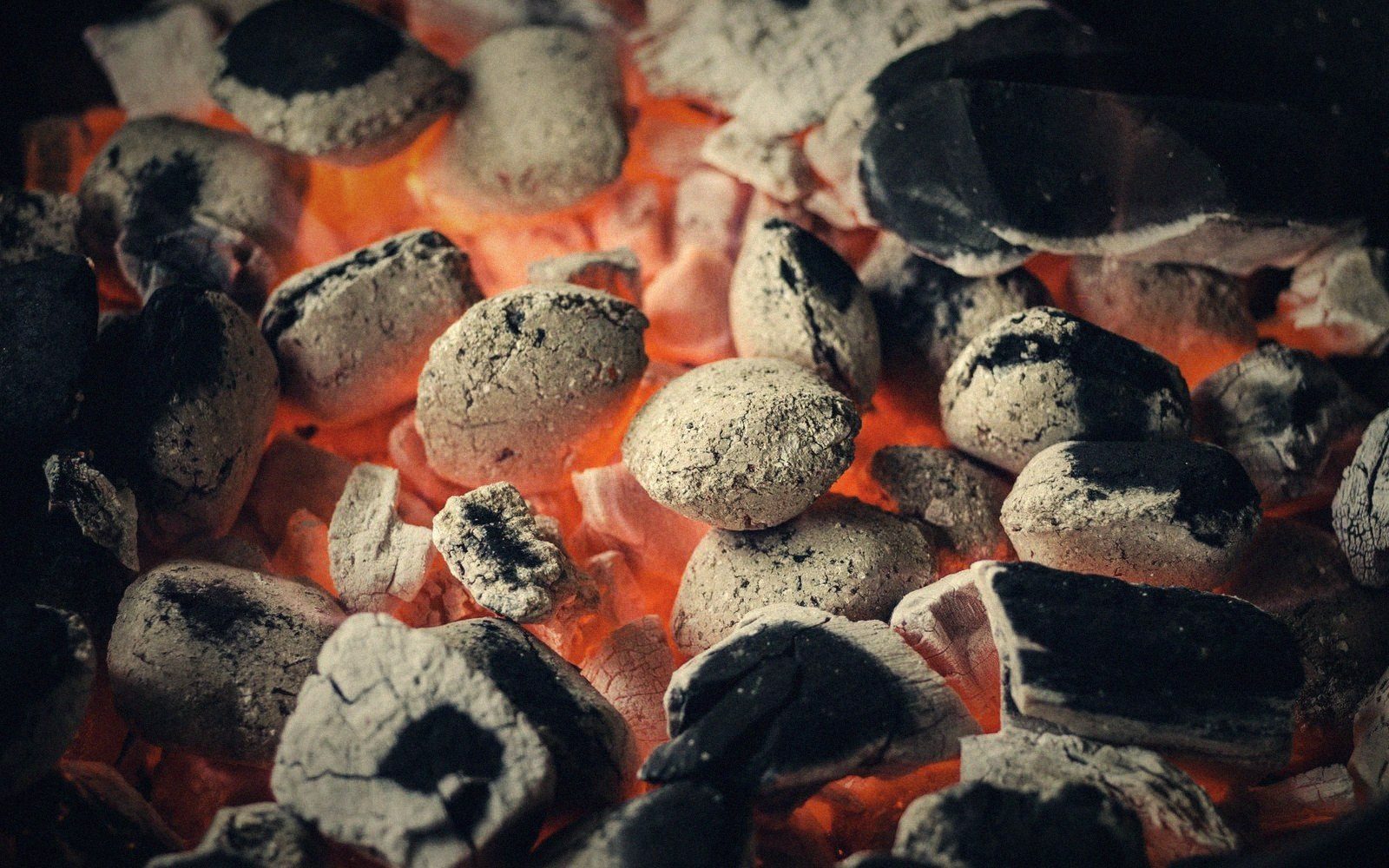
Watch the ash. A bed that has shrunk and dulled, its glow fading under the ash across most of its surface, is past the midpoint of its useful life. At that stage it can still cook, but it cannot recover — adding unlit fuel on top of a depleted bed is mostly optimism; new coals need heat to light and draw it away before they contribute any. If you need to extend the cook, add a fresh chimney-worth to the side before the fire weakens, not once it already has.
The simplest rule: start more fuel than you think you need, cook the hardest things first, and let the fire wind down through the easier ones. A live coal bed rewards anticipation. It does not reward the cook who treats it like a dial that holds its position.

to illustrate the principle of feeding the fire before it weakens
Photo: Pavel Danilyuk / Pexels
Read with this
Entries the register ties to this one.