The cuts that reward patience
Collagen has a conversion point. Everything follows from that.
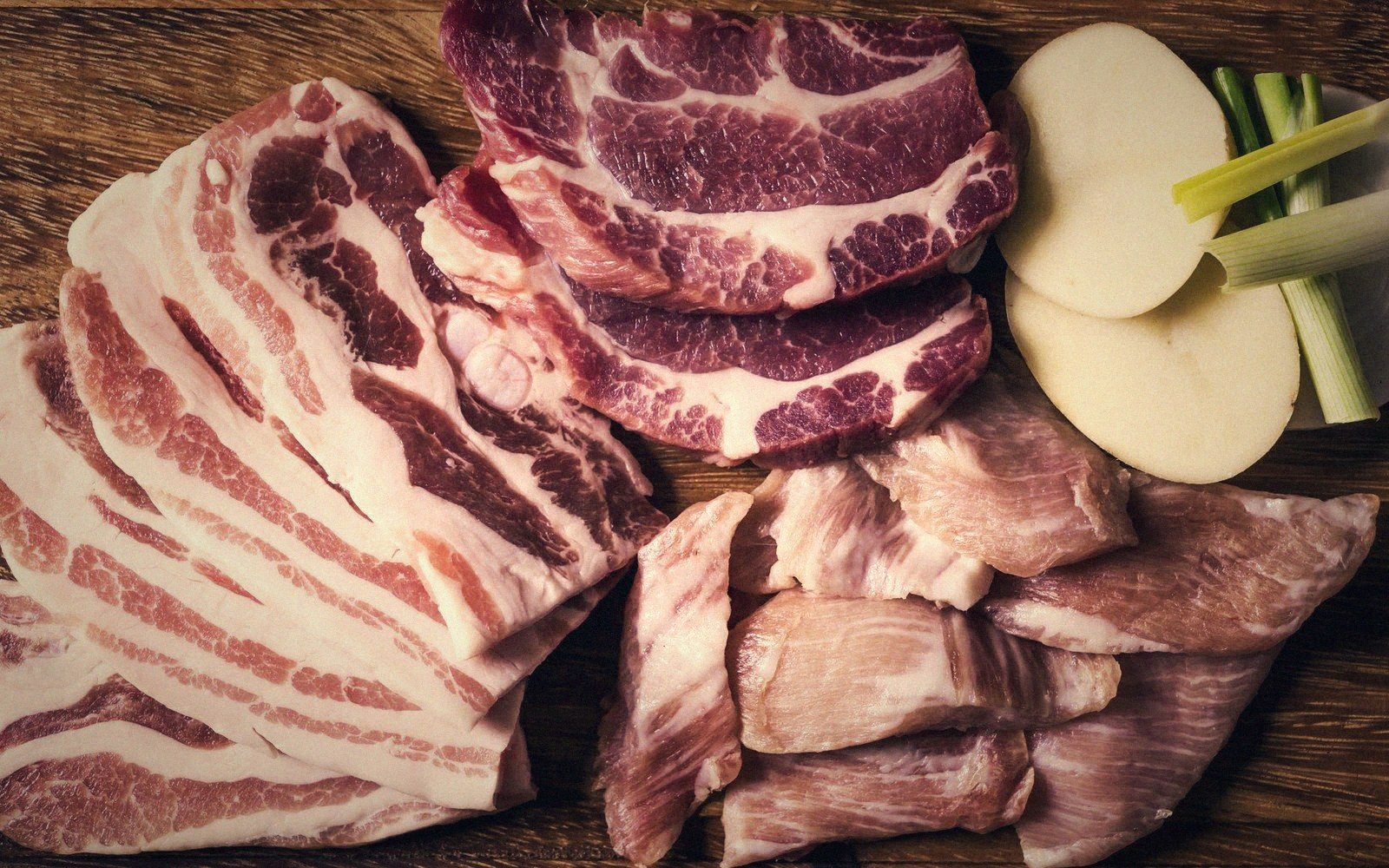
Collagen hydrolysis to gelatine: requires sustained heat, roughly 160–205 °F (71–96 °C), over hours; temperature alone is not sufficient
Photo: Luis Becerra Fotógrafo / Pexels
01Why hard muscles are the right muscles
The cuts that grill fastest are not the cuts that taste best. Tenderloin sits almost idle on the animal — it bears no load, pulls against nothing, accumulates little connective tissue. Cook it quickly and it is fine. Braise it low and long and nothing improves; there is no structure to dissolve, nothing transforming. It was already as good as it gets.
The cuts that reward patience worked. Chuck, brisket, short rib, shank, shoulder — these are load-bearing muscles that spent years in motion. That motion built dense networks of collagen, the structural protein woven through every hard-used fibre. Collagen is tough at eating temperature if you rush it. Given sustained heat in the range of 160–205 °F (roughly 71–96 °C) and enough time — hours, not minutes — it hydrolyses into gelatine. Gelatine is soluble, unctuous, and coats every fibre around it. The meat that was nearly unchewable at the two-hour mark becomes something that pulls apart with the grain and leaves the mouth slick. That transformation is not incidental to the cook. It is the cook.
Connective tissue converts to gelatine given long low heat.
There is a secondary effect that is equally important. Fat renders out of intramuscular deposits as internal temperature climbs, basting the fibres from the inside. Working muscles tend to carry more of this intramuscular fat — not the thick exterior cap that trims away, but the fine marbling threaded between muscle bundles — and it is that fat which carries flavour compounds and keeps the meat from drying as collagen melts away its structural support. The two processes, collagen conversion and fat rendering, happen in parallel and in the same temperature window. That is why the same cuts that are rich in collagen also tend to carry a fat ratio worth understanding before you commit to a long cook.
02Time as the ingredient you cannot rush
Patience is not optional with these cuts — it is the mechanism. A brisket flat pulled at three hours is not a shorter version of a good brisket; it is a failed one. The collagen conversion curve is not steep. It proceeds slowly because the proteins need both temperature and duration to fully denature and dissolve. A hard muscle held at 200 °F for a few hours will soften. The same muscle held at 250 °F for one hour will be dry and still tough — the fibres have tightened and expelled moisture faster than collagen could dissolve to compensate.
This is why the stall — that long plateau where internal temperature seems to stop climbing — matters so much with these cuts specifically. The stall happens because evaporative cooling at the meat's surface is counteracting the fire's input. Nothing is wrong. Collagen conversion continues through it. Interrupt the cook, crank the heat to push past it, and you lose the slow patience the cut needs. Hold position, manage the fire, and the stall resolves itself.
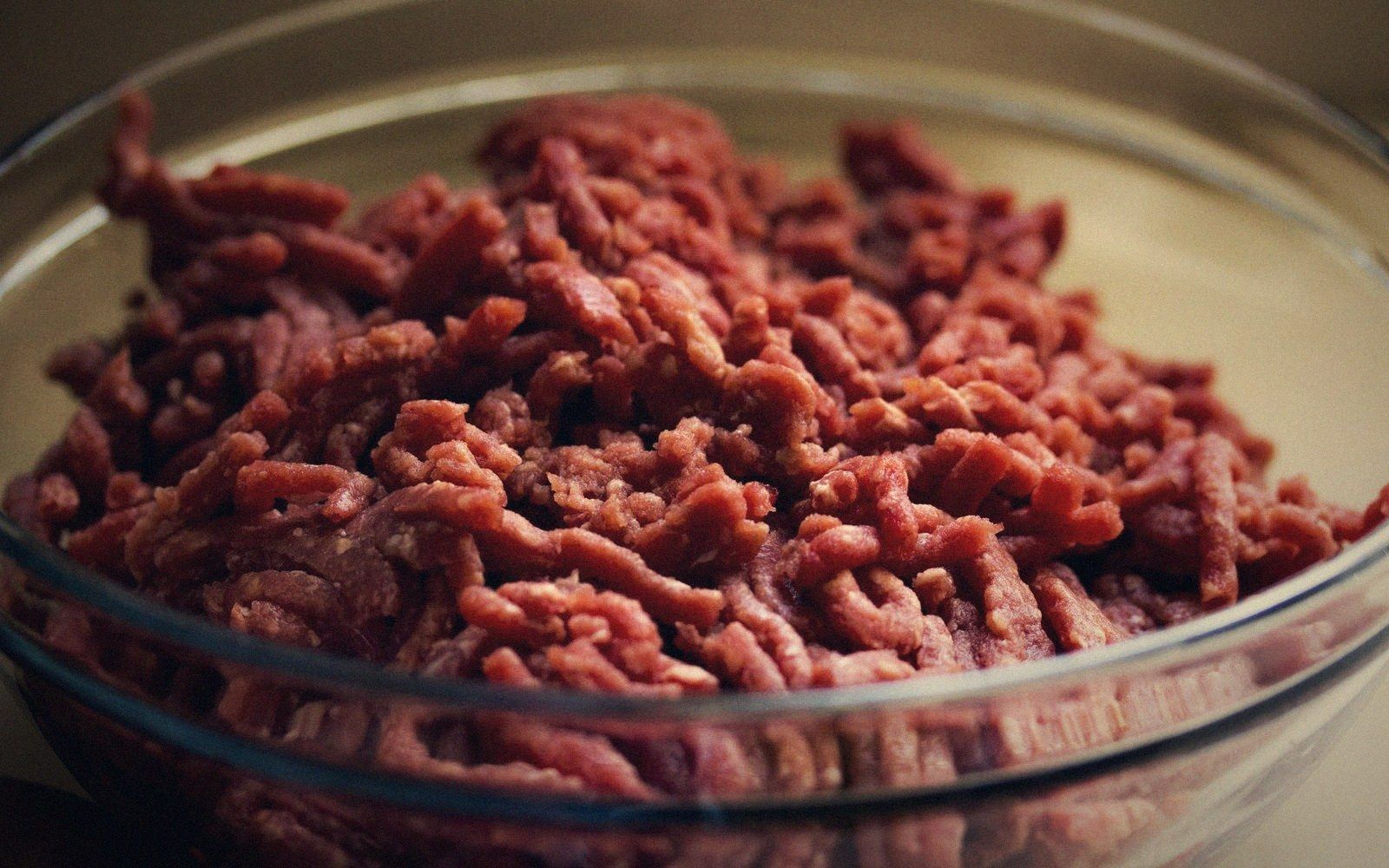
Grate management over a multi-hour cook is its own discipline. The fire is a diminishing resource — coals ash over, heat output drops, and the cook can stall for the wrong reason if the bed is not replenished at the right intervals. The cuts that reward patience also demand that you attend to the fire with the same consistency you are asking of the meat.
03Buying the right cut
Not every shoulder or chuck is equal. Look for visible intramuscular fat — not a thick white exterior cap, but fine white threads running through the lean. A deeply coloured, dark-red muscle has been used hard and will have the collagen to show for it. Paler muscle from a younger or less active animal will be more tender raw but has less to give over a long cook; the transformation is smaller because the raw material is thinner.
Bone-in cuts retain moisture better than boneless equivalents across the same cook time, partly because bone tissue is a poor conductor that slows the heat through adjacent muscle, and partly because periosteum — the connective membrane around bone — contributes gelatine of its own. A short rib on the bone is a different cook from the same muscle off it, and a longer one.
The animal did the first work. The fire does the second. Your job is to give them both enough time.
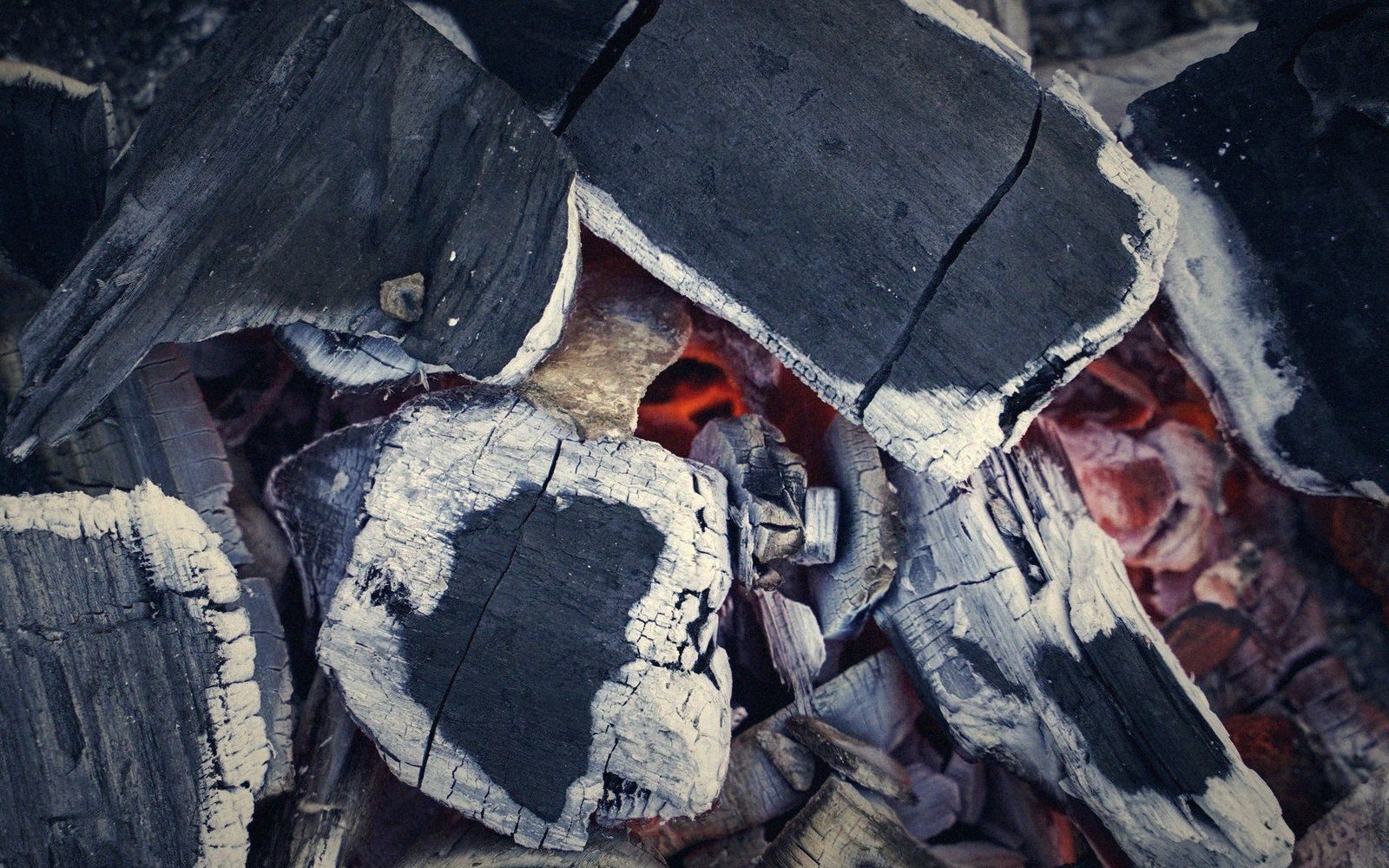
Time is the ingredient: slow, steady heat gives tough connective tissue the hours it needs to soften.
Photo: Vilnis Husko / Pexels
Read with this
Entries the register ties to this one.