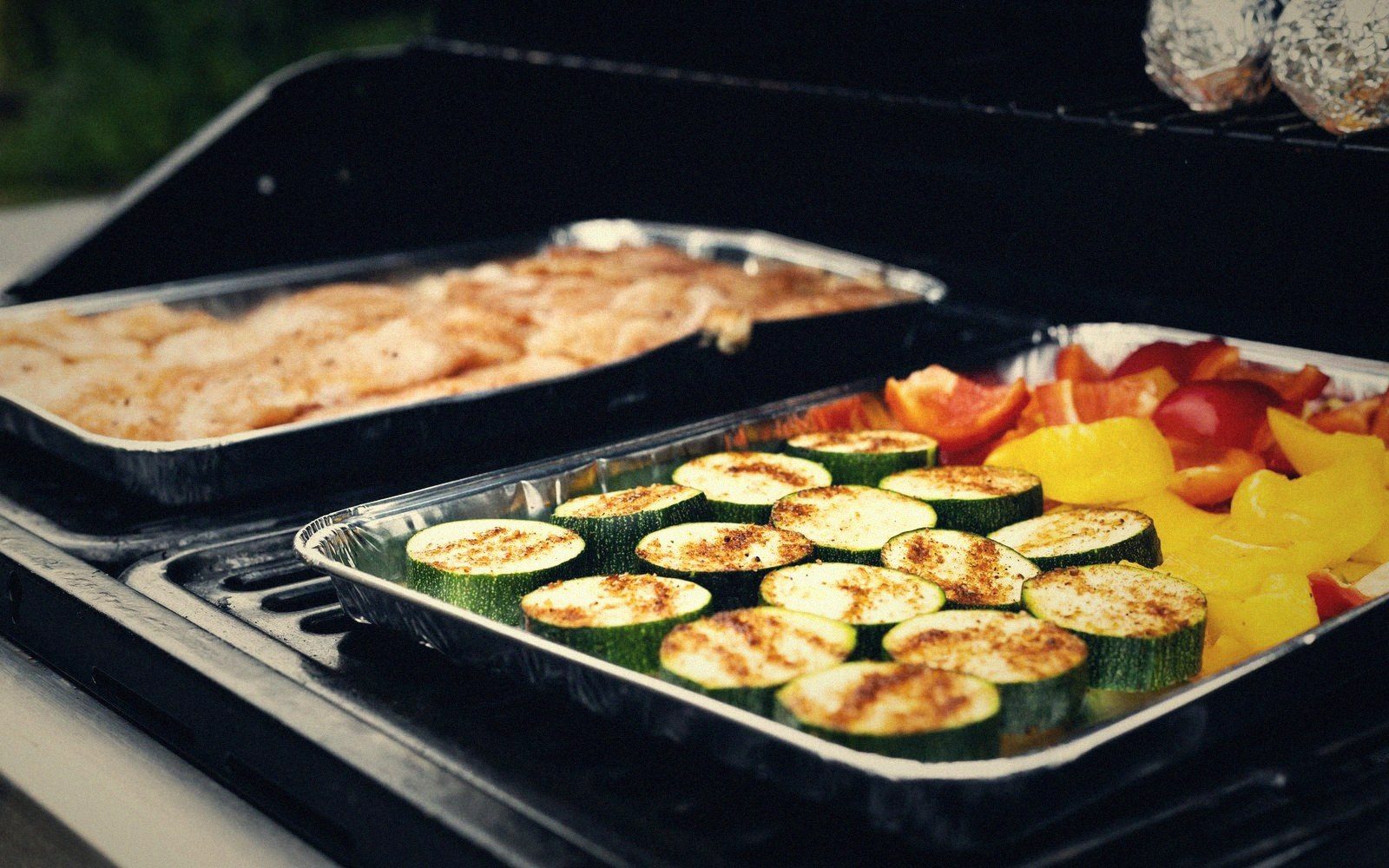
Carry-over cooking: internal temperature continues rising after the meat leaves the heat; foil extends, not ends, this process
Photo: Mateusz Feliksik / Pexels
01The window is shorter than you want it to be
You've pulled the meat. The guests aren't ready. Every cook who has fed more than four people outdoors has been here, and the instinct is always the same: tent it in foil, set it to one side, and tell yourself it'll be fine for another twenty minutes. Sometimes it is. Often it isn't, and the margin between fine and dry is narrower than most people allow for.
What's happening inside the foil is not preservation — it's continuation. The carry-over heat that makes resting valuable is the same heat that will overcook a piece of meat if you leave it long enough. A thick steak or a pork loin off the fire might climb another 5–8°F under foil before it peaks and starts to fall. That climb keeps going for longer than the surface cools, because the exterior is losing heat faster than the dense interior is shedding it. The window between properly rested and starting to tighten up and dry is roughly ten to fifteen minutes for most individual cuts; longer pieces — a spatchcocked chicken, a rolled shoulder that's been cooking indirectly — can hold to about twenty, but not much beyond.
Covered, off the heat, and not for as long as you hope.
The foil itself matters. A tight wrap traps steam from the surface moisture and the rendered fat, which keeps the environment humid and slows surface drying. But that steam also softens any crust you worked for. If the crust matters — a well-seared surface, a bark on a longer cook — a loose tent is a compromise: more drying risk at the surface, but the texture survives better. There's no version that keeps everything perfect; you're trading.
Temperature of the holding spot matters just as much as the wrap. Setting foiled meat directly on a cold surface — a steel prep table, a plastic cutting board — accelerates the bottom-side chill and shortens the window. A warm plate, a folded towel underneath, or simply a wooden board all slow the heat loss from below. In a group cook where you're cooking for a crowd and juggling multiple items off different heat zones, those small buffers buy real time.
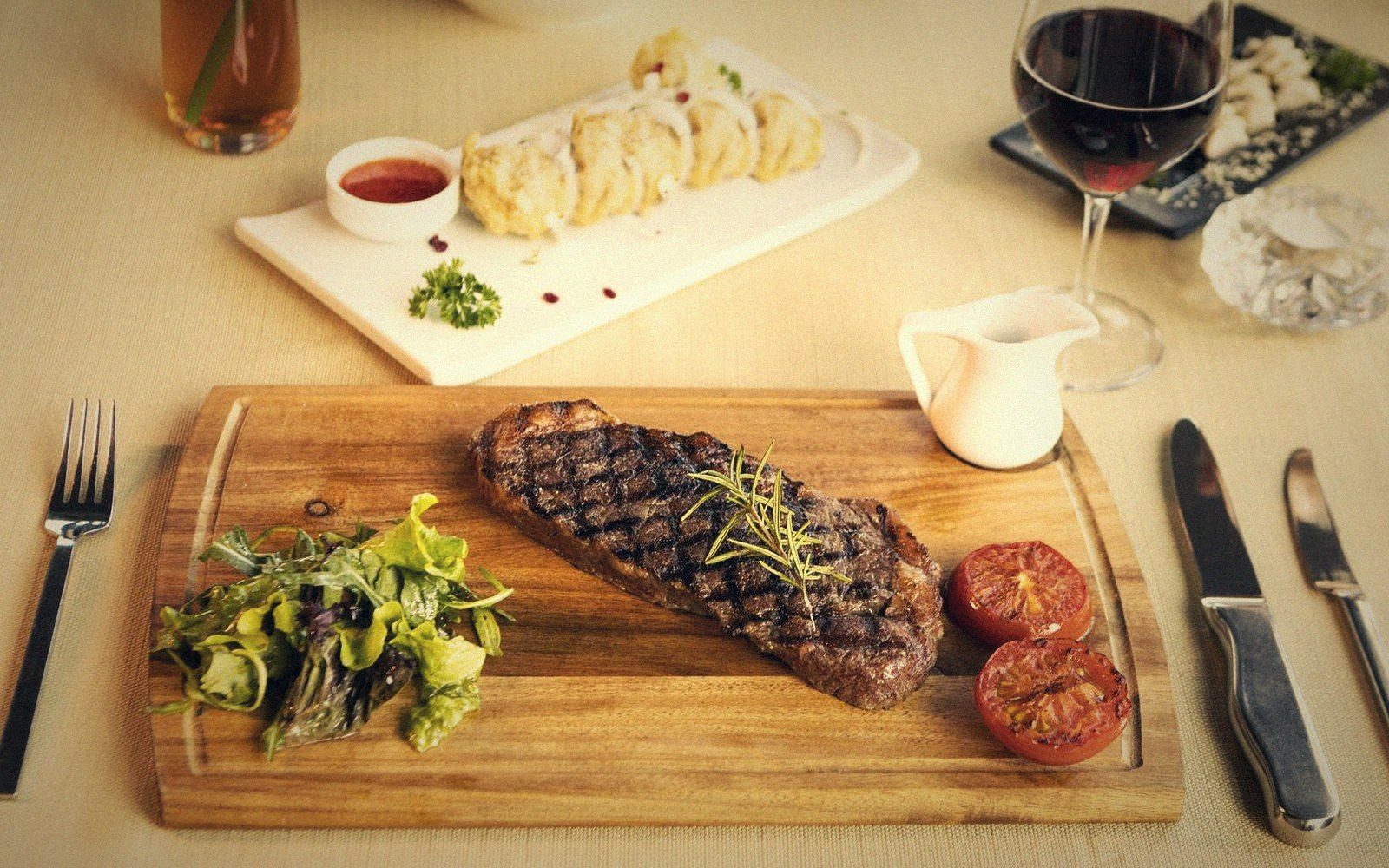
The honest answer to how long you can hold is: less than you're hoping, more than zero. Know what you pulled and when, keep the environment warm and humid without going airtight, and get it to the board before it tightens. The fire doesn't wait for the guests — the cook figures out the gap.

Holding meat off the heat: a warm, buffered spot slows heat loss and buys a little time before serving
Photo: Pavel Danilyuk / Pexels
Read with this
Entries the register ties to this one.