The Lid
On, it becomes an oven. Off, it is a grill. Treating them as the same cook is the root of most failures.
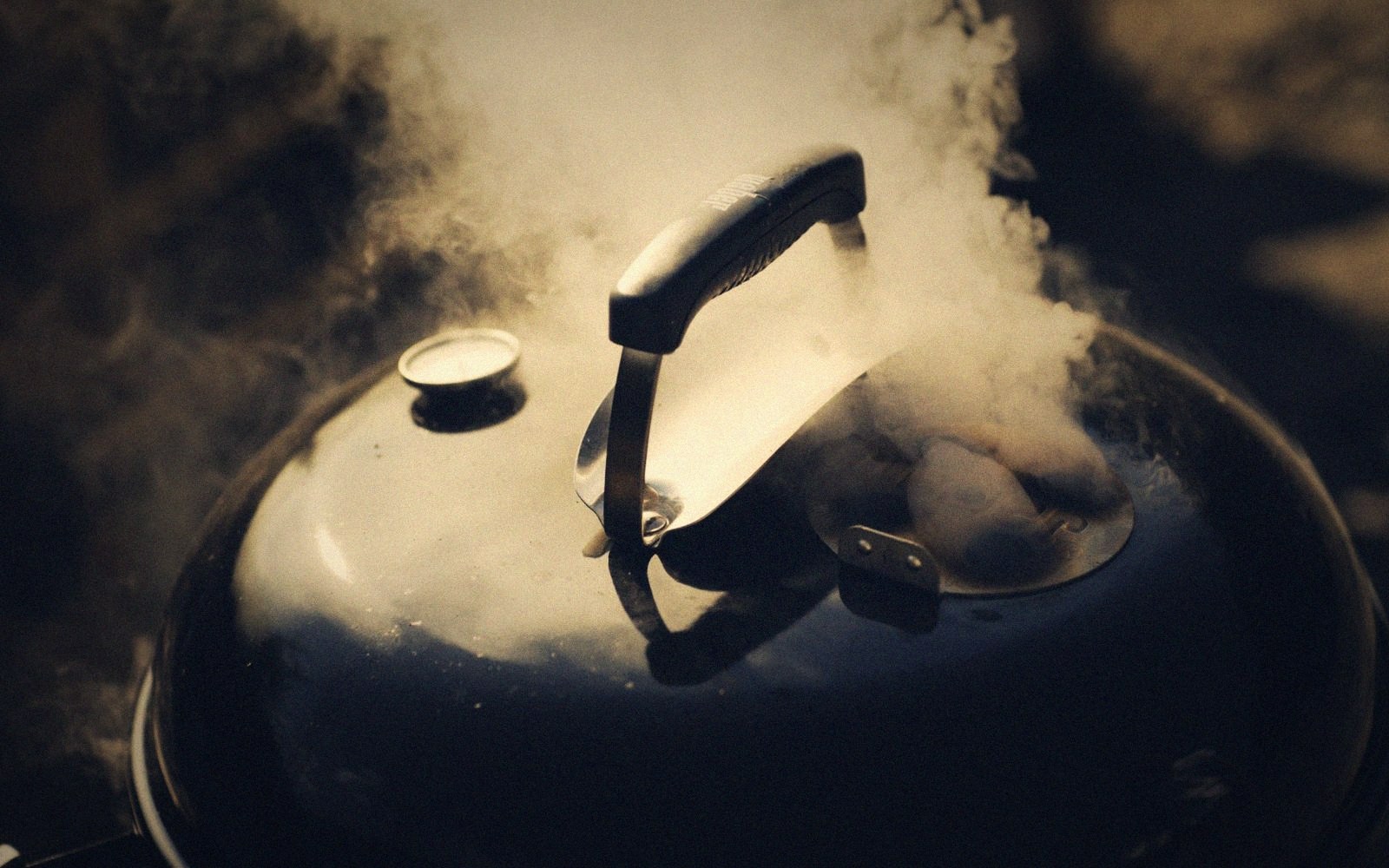
Lid off: open grill: radiant heat from below, asymmetric, best for thin and fast
Photo: Alexey Demidov / Pexels
01Two different instruments
Open, a kettle or barrel grill behaves like any open fire: radiant heat from below, convection rising past the meat, nothing closing the loop. The surface facing the coals cooks; the surface facing the sky does not. That asymmetry is fine for thin cuts that move quickly.
Close the lid and the physics change completely. Hot air that would have escaped now recirculates. The grate beneath still radiates, but reflected heat from the lid, convecting air from every direction, and trapped moisture all contribute. The interior stabilises toward a temperature and holds it. That is an oven — a smoky, charcoal-fired oven with a live floor, but an oven nonetheless.
On, it becomes an oven; off, it is a grill.
The consequence is significant. With the lid off, you are managing direct radiant heat and your only tool is distance from the coals. With the lid on, you are managing an ambient environment, and the vents — top and bottom — become your throttle. Open vents feed oxygen, raise temperature, accelerate the burn. Close them and the fire softens, the air cools, the cook slows. The lid is not an accessory; it is the instrument panel.
This is why anything that needs time — a thick bone-in cut, a whole bird, a brisket going for hours — demands the lid. Indirect heat only works because the lid is trapping the air that the coal-free side cannot generate by radiation alone. Without it, the cold side is simply cold.
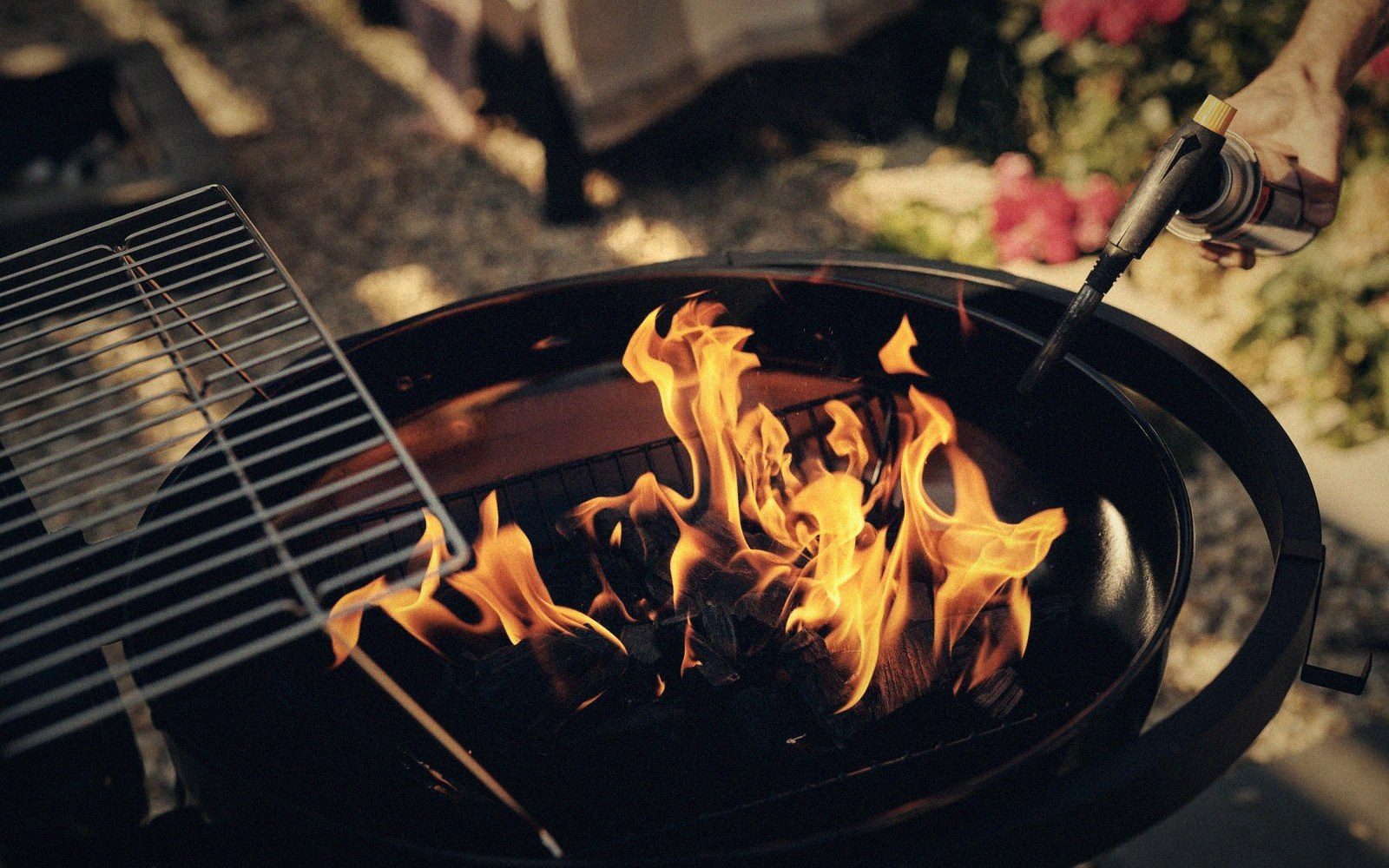
The trap is mixing the two modes unconsciously. Cooks who lift the lid to check often, then close it between peeks, get neither condition cleanly. The temperature spikes when the vents are forced open for a look, then drops as combustion is interrupted. The cook becomes erratic, and the meat reads the chaos.
Leave the lid on when the lid belongs on. Take it off when you want the snap of direct fire. Know which cook you are running before anything touches the grate.
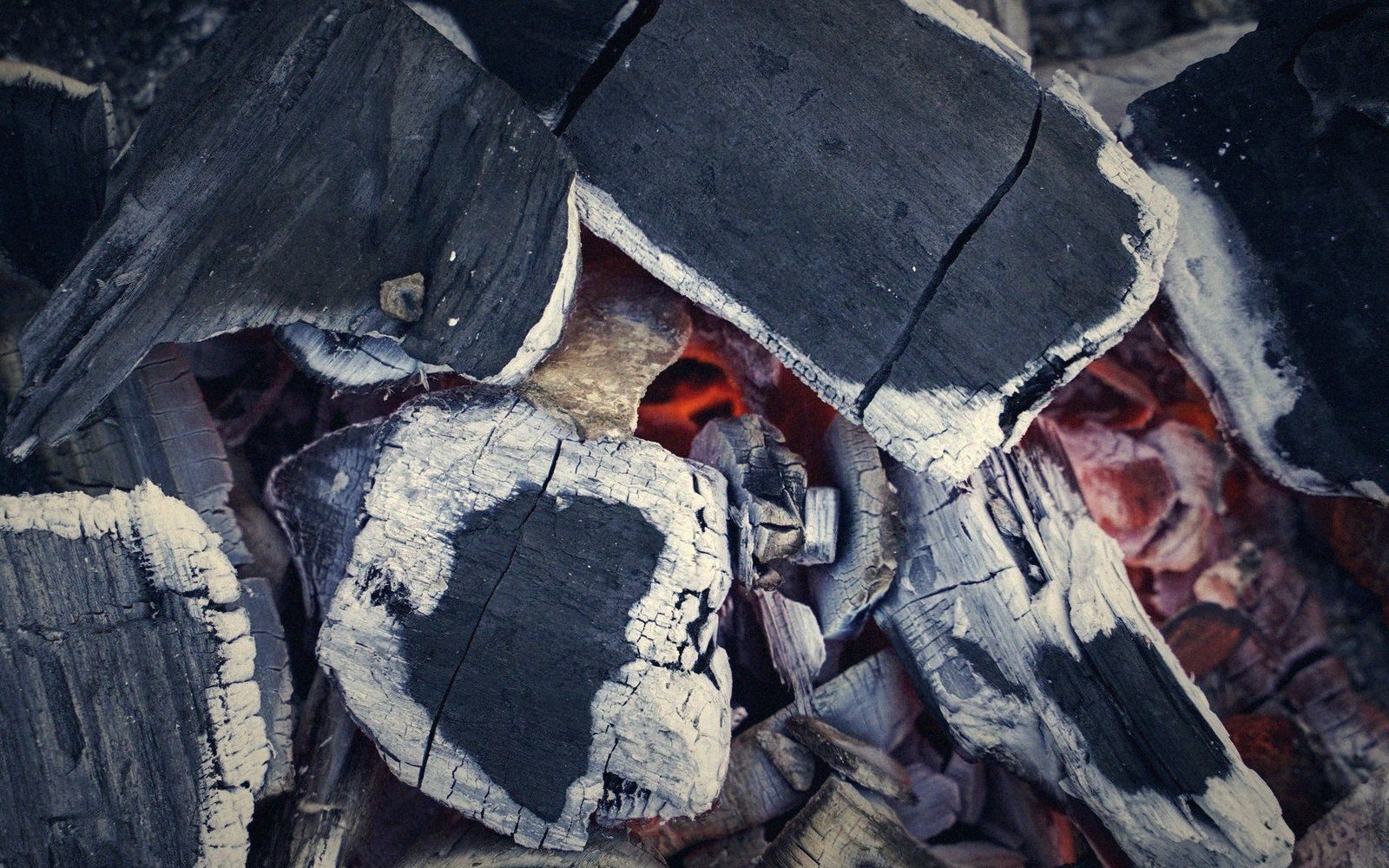
illustrates why frequent peeking disrupts the environment
Photo: Vilnis Husko / Pexels
Read with this
Entries the register ties to this one.