Form it loosely
Compaction is the commonest reason a burger eats dense — and it happens before anything touches the fire.
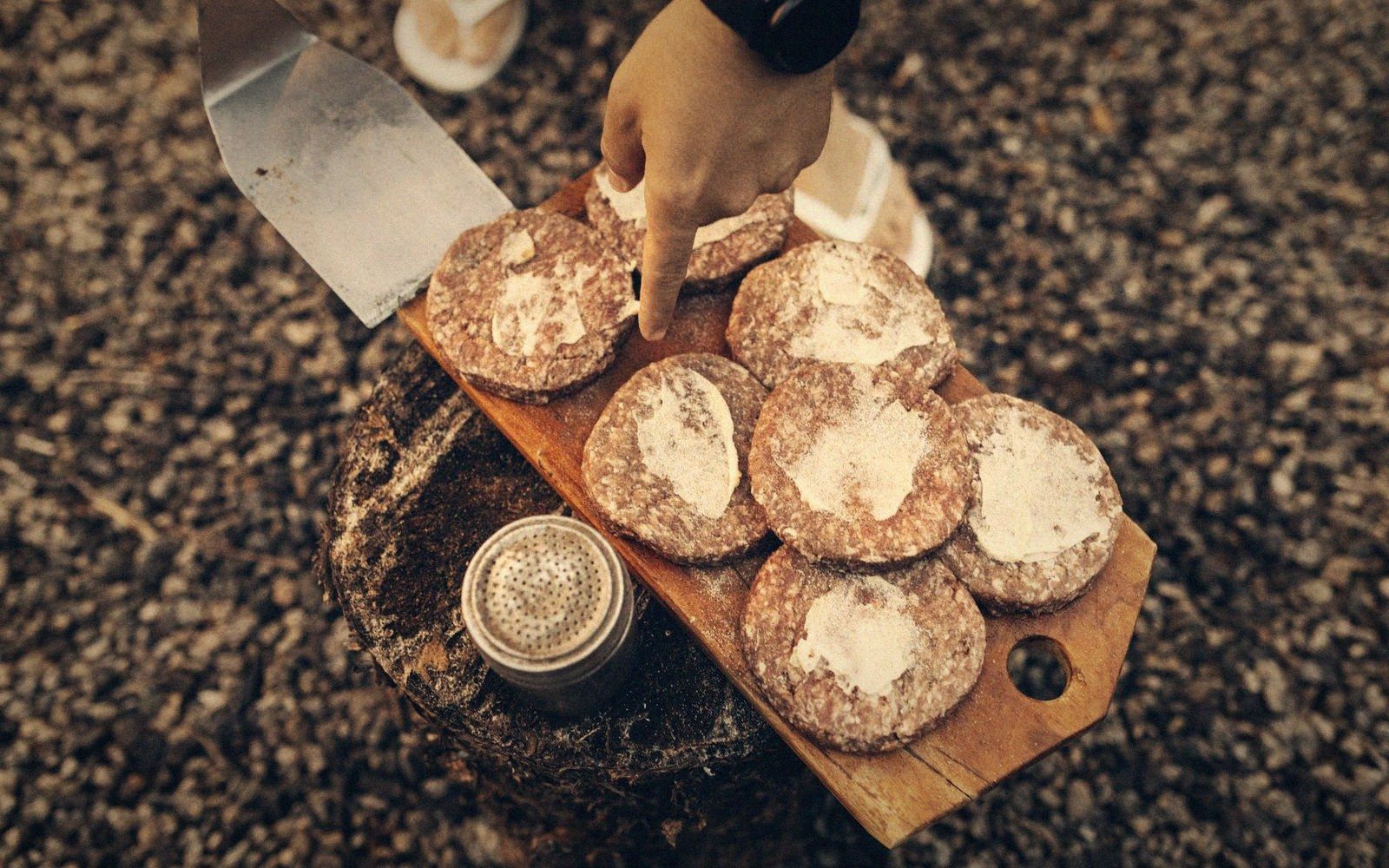
Loose lattice: fat in discrete pockets, air retained, proteins separate
Photo: Jonathan Borba / Pexels
01The enemy is pressure
Ground beef is a lattice of protein strands, fat pockets and air. Press it firmly into shape and you collapse that structure: fat smears through the matrix instead of sitting in discrete pockets, proteins knit tightly together, and the whole thing contracts aggressively once heat hits it. The result is a puck that bounces slightly when you poke it and chews like a dense meatball.
The fix is not a technique so much as a restraint. Take the cold, loosely ground mince and bring it together with the minimum force needed to hold the shape. Three or four cupped-hand passes at most. The patty should feel slightly fragile — a little ragged at the edges, not perfectly smooth. That fragility is the texture you want on the plate.
Compaction is the commonest reason a burger eats dense.
Thickness matters more than people allow. A patty pressed flat to cook faster will reach temperature before its surface has time to develop a proper crust, and the dense protein structure means any juice that tries to move outward hits a wall. Aim for something closer to three-quarters of an inch at the centre. That depth gives the surface time to brown properly while the middle finishes, and the looser structure lets heat move through without the whole thing seizing.
The dimple in the centre — the thumb-press that some sources recommend — addresses the doming that happens as the outer ring tightens faster than the middle. It is useful, but it only matters if the patty was loosely formed in the first place. A compacted patty domes and stays dense regardless.
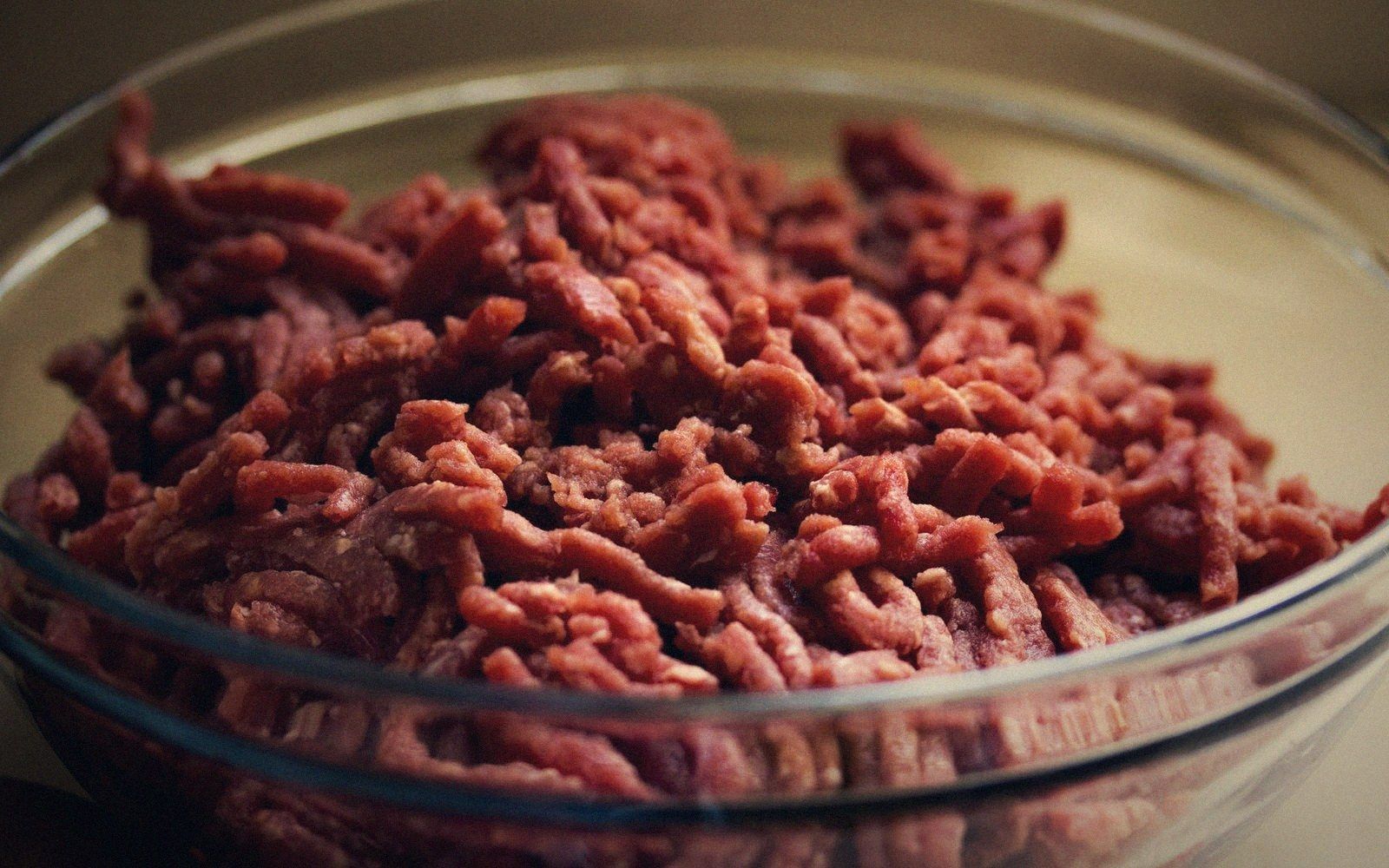
Work cold. Warm hands and warm meat mean the fat begins to melt before cooking starts, greasing the protein matrix and encouraging the very compaction you are trying to avoid. Keep the mince refrigerator-cold until the moment you shape it, and get it onto the grate without delay. The fire does the rest — but only if you have given it something worth working with.
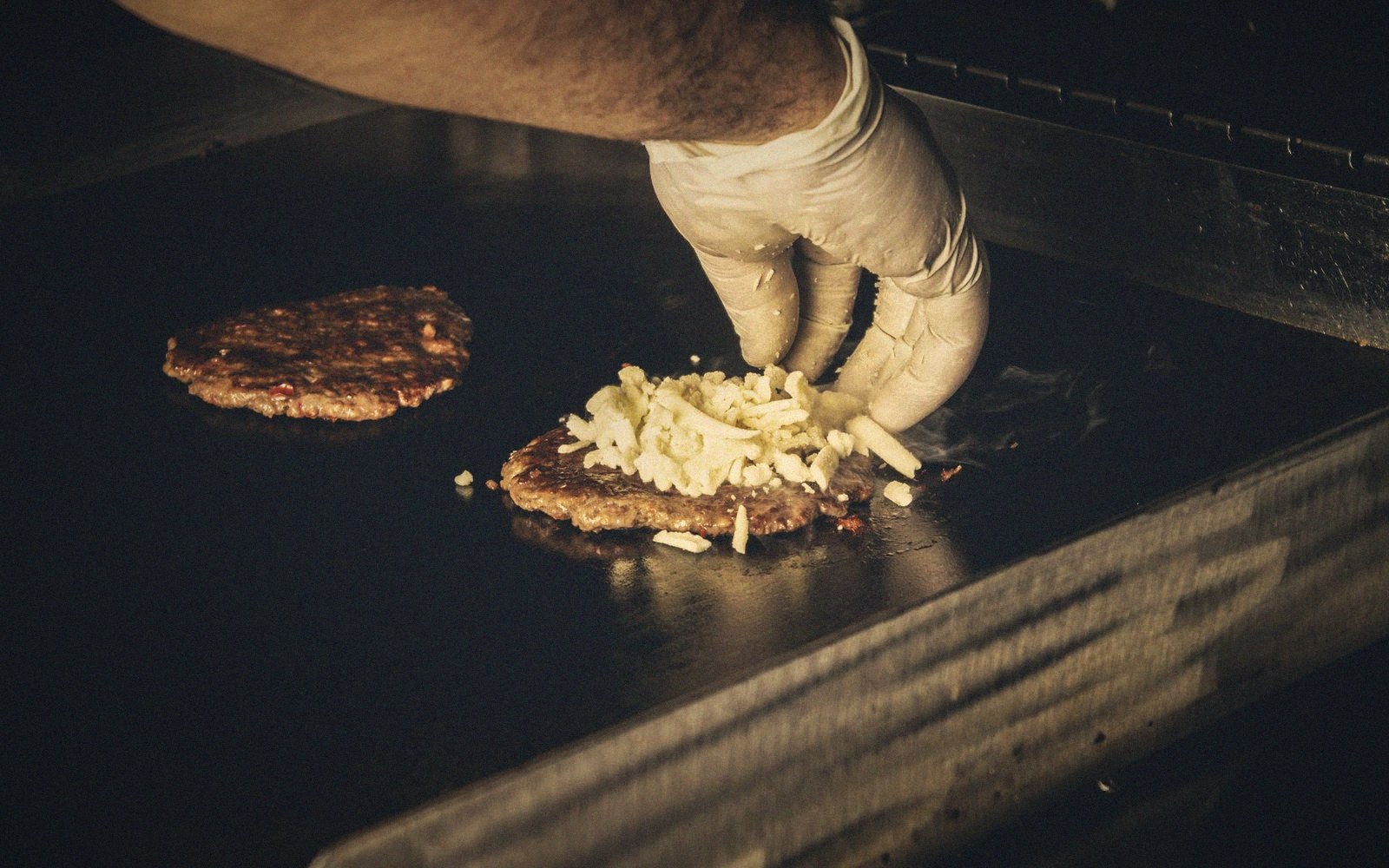
Thickness matters: a thicker patty stays juicier inside while the outside browns
Photo: Youssef Samuil / Pexels
Read with this
Entries the register ties to this one.