Eighty-twenty, and why the number moves
The fat ratio in a burger patty is not a fixed answer — it is a response to how long the meat will be over heat.
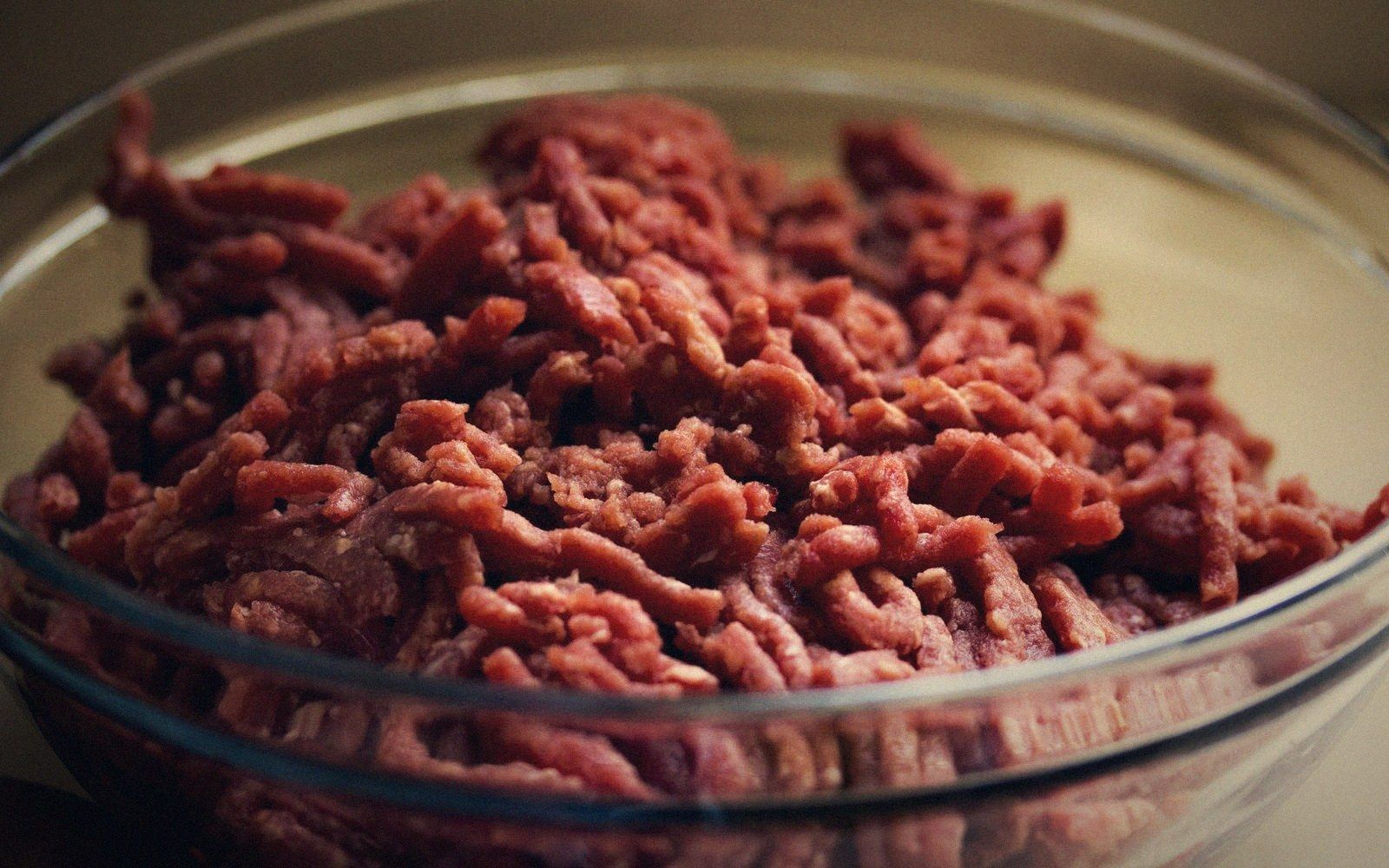
80/20: the conventional default; works for a ~2 cm patty cooked briskly to 71 °C internal
Photo: Angele J / Pexels
01What fat actually does in the patty
Fat is doing three jobs at once. It carries flavour compounds that are soluble only in fat, not in water — aromatics from the beef itself, the char note picked up at the surface, any smoke that penetrates the crust. It also provides moisture: as it renders, the liquid fat coats muscle fibres and keeps them from feeling dry against the tongue even after the proteins have contracted hard. And it becomes fuel: dripping into hot coals, it produces flare and flavour-carrying vapour that rises back into the meat.
The number most people have heard — eighty percent lean, twenty percent fat — is a sensible centre point for a patty that spends roughly three to four minutes per side over a medium-high two-zone fire. That cook is fast enough that a meaningful portion of the fat stays inside the burger, doing its moistening work, rather than rendering out entirely into the coals. The crust forms before the fat has fully escaped, trapping much of it.
Fat is moisture, flavour and the thing that renders into the fire.
Change the cook time, and the ratio needs to move.
02Why the number moves with heat and time
A thicker patty, pressed to three centimetres rather than two, will sit over the fire longer to reach an internal temperature of 71 °C — the standard safe endpoint for ground beef, where all parts of the mince have reached the temperature needed to address pathogen risk throughout. That extra time on the grate means more rendering. A patty that started at eighty-twenty may eat leaner than you intended, because the fat that should have stayed in the meat has dripped out. Go to seventy-five / twenty-five for a thick patty, and you end up closer to where eighty-twenty would land on a thinner one.
The reverse is also true. A smash patty — flattened thin and cooked fast on a ripping-hot surface or cast-iron griddle over coals — needs less fat because the cook is over in under two minutes and the surface-to-volume ratio is enormous. The fat has almost no time to render out. A very lean grind at eighty-five / fifteen can work well here; too much fat and the patty sits in a shallow pool of its own liquid, which stalls what a crust actually is — a wet surface cannot brown.
The type of fat matters too, though it is less discussed. Fat distributed evenly through the grind, as it is in a well-made coarse-ground patty, renders more gradually and stays inside the patty longer than fat sitting in large pockets from a poor grind or an unevenly mixed blend. Even distribution means more fat-to-protein contact, more internal basting, and a more forgiving cook if timing slips.
One thing the fat ratio cannot compensate for: mechanical compression. Pressing the patty after it hits the grate forces liquid fat out through the surface immediately, regardless of what ratio you started with. A twenty-percent-fat patty that gets pressed is drier at the table than an eighteen-percent patty left alone. The ratio sets the ceiling; handling determines whether you reach it.
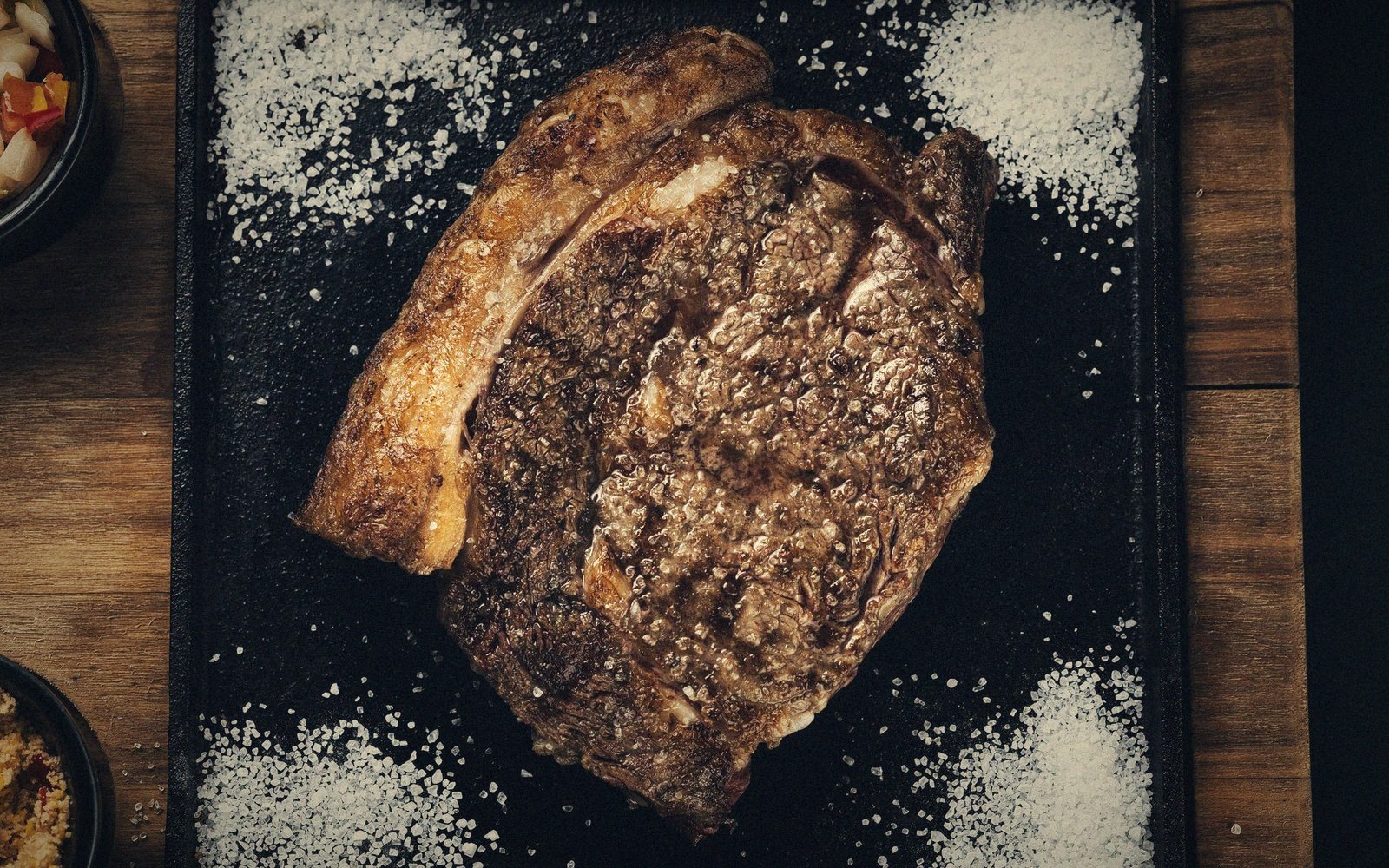
There is no ratio that works in all conditions. Eighty-twenty is a good default for a two-centimetre patty cooked briskly over a hot two-zone fire, but it is a starting point, not a rule. Think about the thickness, the expected cook time, the surface heat, and the grind. The fat percentage is the last thing to set, after everything else about the cook is decided — because the number only makes sense once you know what it will be doing while it is over the fire.
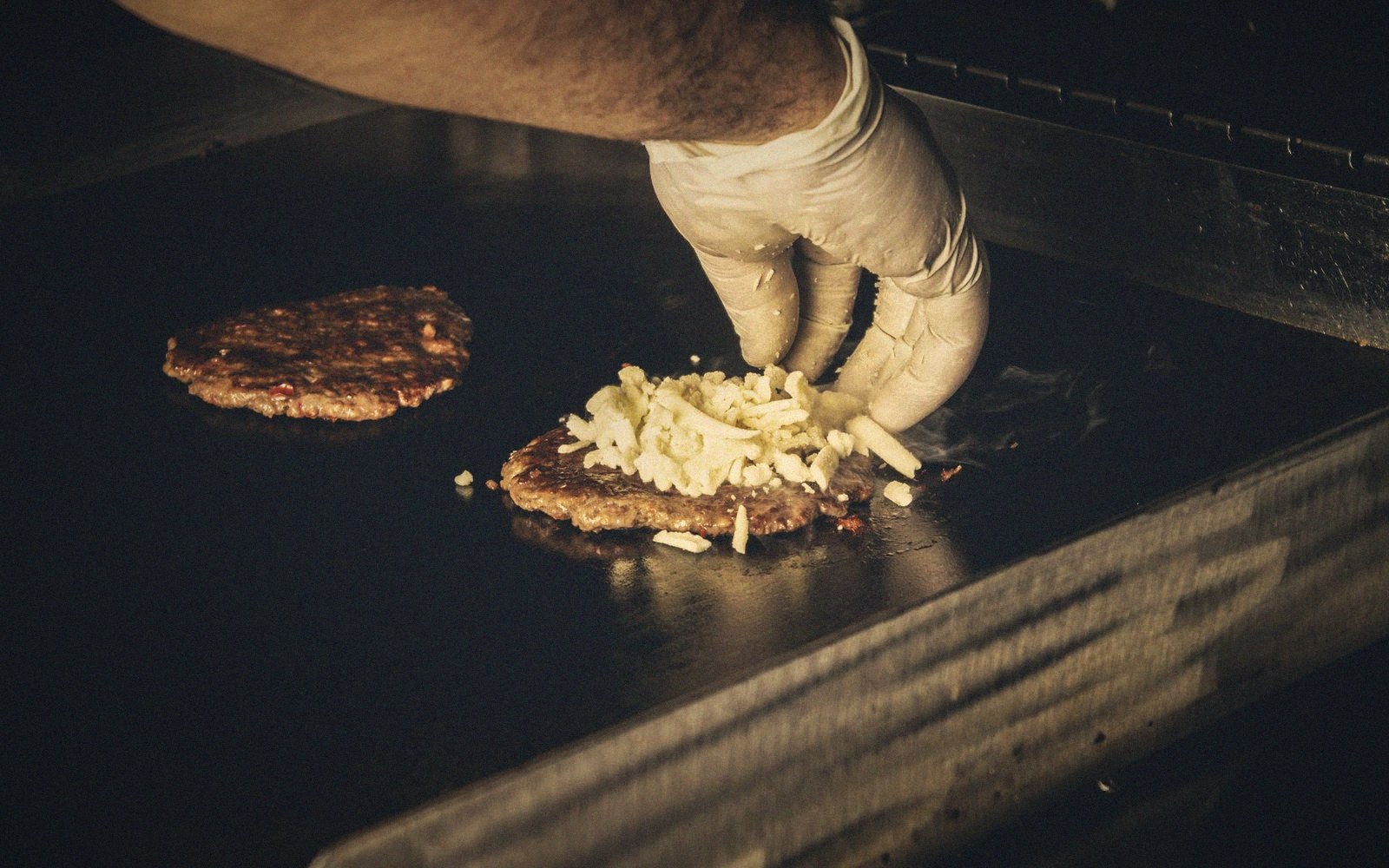
A patty mid-cook
Photo: Youssef Samuil / Pexels
Read with this
Entries the register ties to this one.