Dry the surface
Moisture on the meat's surface is the enemy of crust. Here's why removing it before the fire is lit is the single most effective thing you can do.
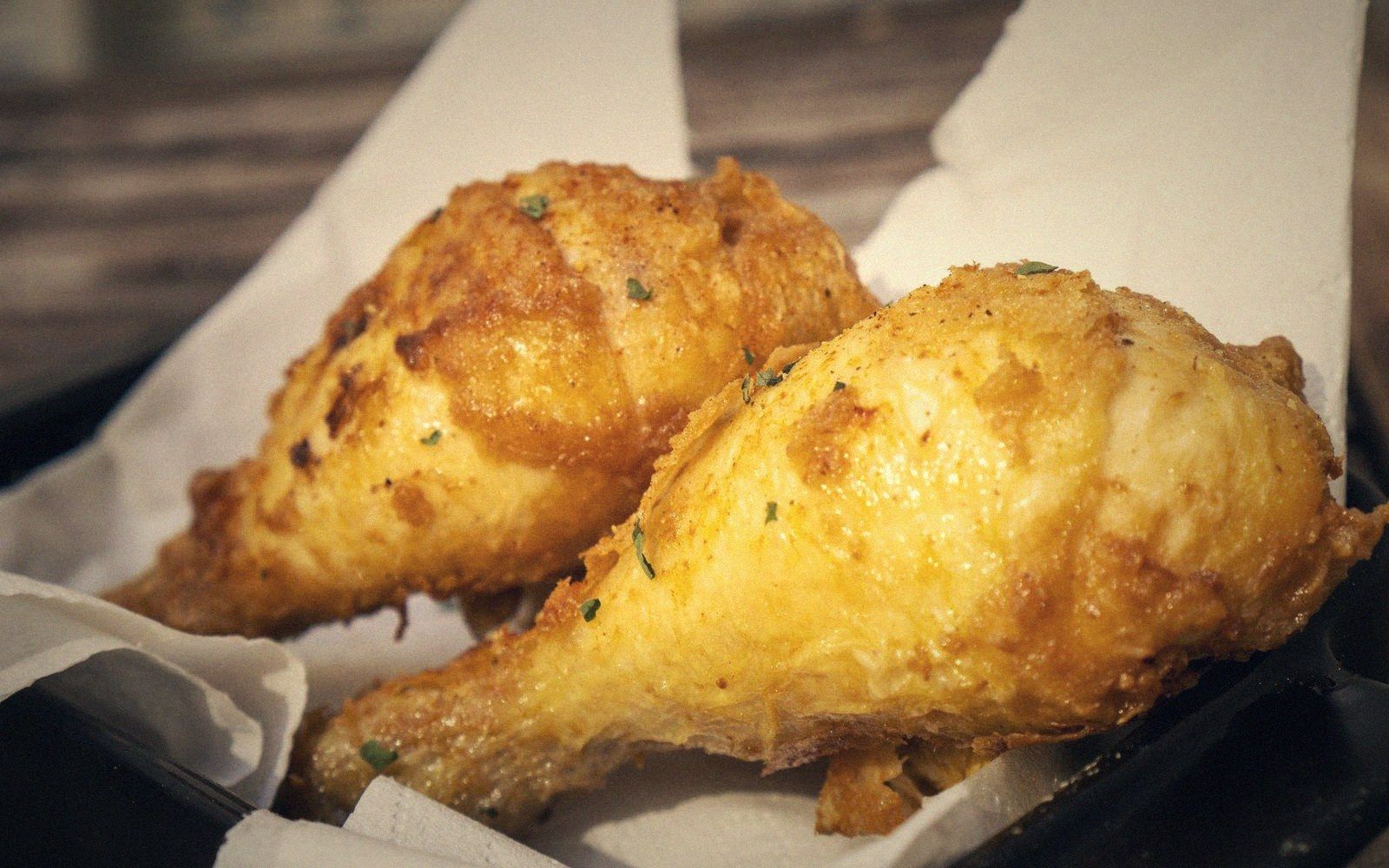
Maillard reactions: surface browning chemistry, begins around 140–165 °C; blocked until free water is gone
Photo: 素材王国 Footage Kingdom / Pexels
01Why water wins the wrong race
When wet meat meets a hot grate, the first thing that happens is not browning — it is evaporation. Water at the surface boils off at 100 °C (212 °F), and until every last molecule of free moisture is gone, the surface temperature cannot climb to the 140–165 °C range where Maillard reactions begin producing the compounds responsible for crust: melanoidins, furanones, pyrazines. The fire is working; it just isn't working on browning yet. It is working on steam.
This is not a marginal delay. A wet surface can spend the first several minutes of cook time sitting in its own micro-sauna while the interior quietly warms. By the time browning starts, you are already behind — the window for building a firm, deep crust before the interior overshoots is narrower than it should be.
The single most effective thing you can do before anything is lit.
The fix happens before anything is lit.
Pat the surface of the meat dry with paper towels, pressing firmly enough to wick the moisture out rather than smear it around. For thicker cuts, do this, then leave the meat uncovered on a rack in the fridge for at least an hour — overnight if you have the patience. Cold refrigerator air is dry, and it will pull more residual moisture from the surface than paper alone. What you want coming out is a surface that looks slightly tacky, almost leathery: that is a surface that will brown.
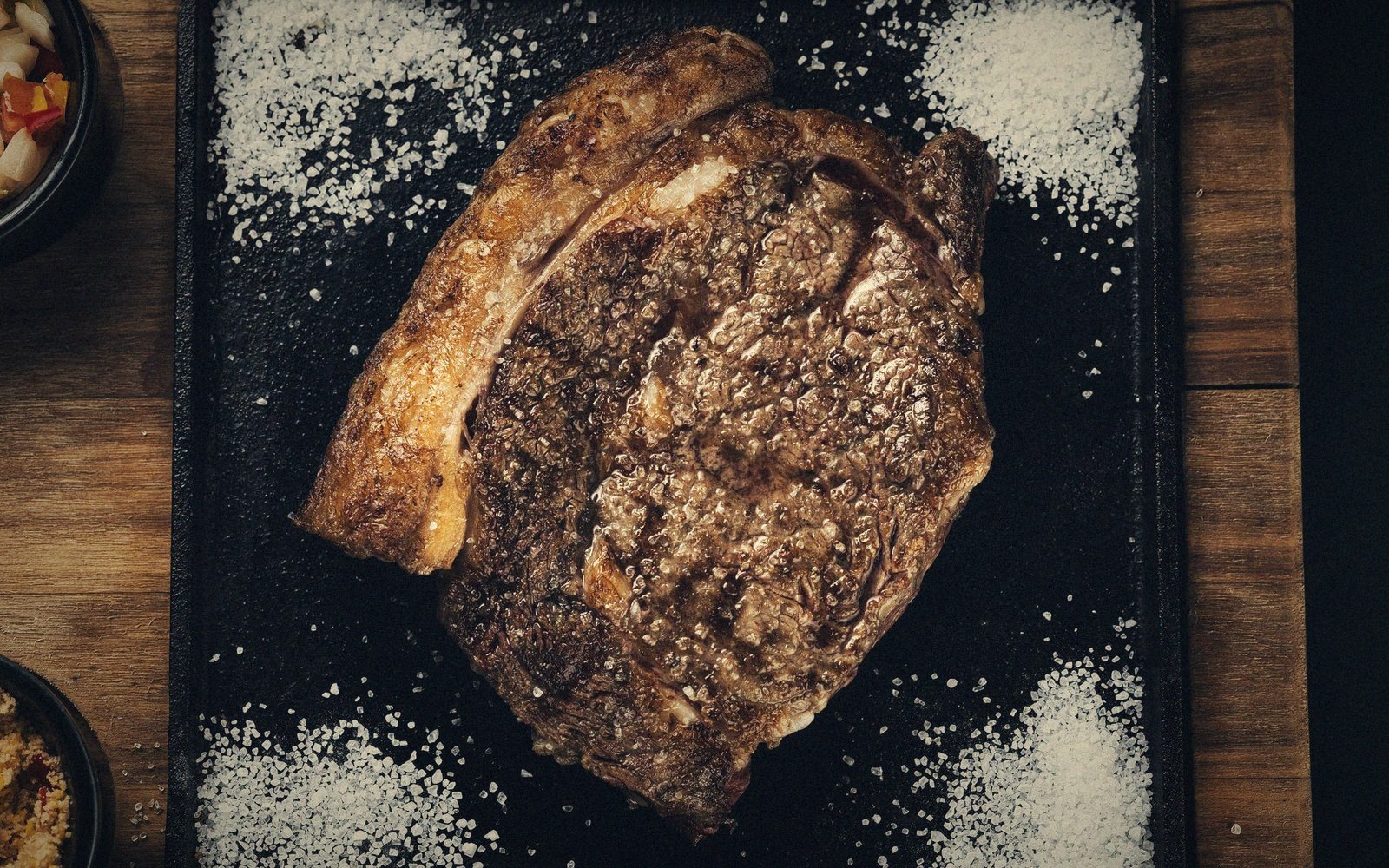
Salt applied early also helps, but not immediately. Salt draws moisture to the surface via osmosis in the first few minutes — that wet sheen you see ten minutes after salting is real and inconvenient. Given enough time, the brine is reabsorbed into the meat, seasoning it deeper and leaving the surface drier than before you salted. The short game loses; the long game wins. Salt at least 45 minutes ahead, or the night before. Never salt and immediately cook if crust is the goal.
Fat matters here too. A thin, even coat of oil on the meat's surface — not the grate — helps conduct heat across any micro-surface irregularities and speeds that initial Maillard window. But oil over moisture is no help: oil and water repel, and wet meat with oil on top is still wet meat underneath.
What a crust actually is comes down to sustained contact heat on a dry surface. The fire is only half the equation. The surface condition you bring to the grate determines whether the heat browns or steams. Get that right before the first coal is lit.
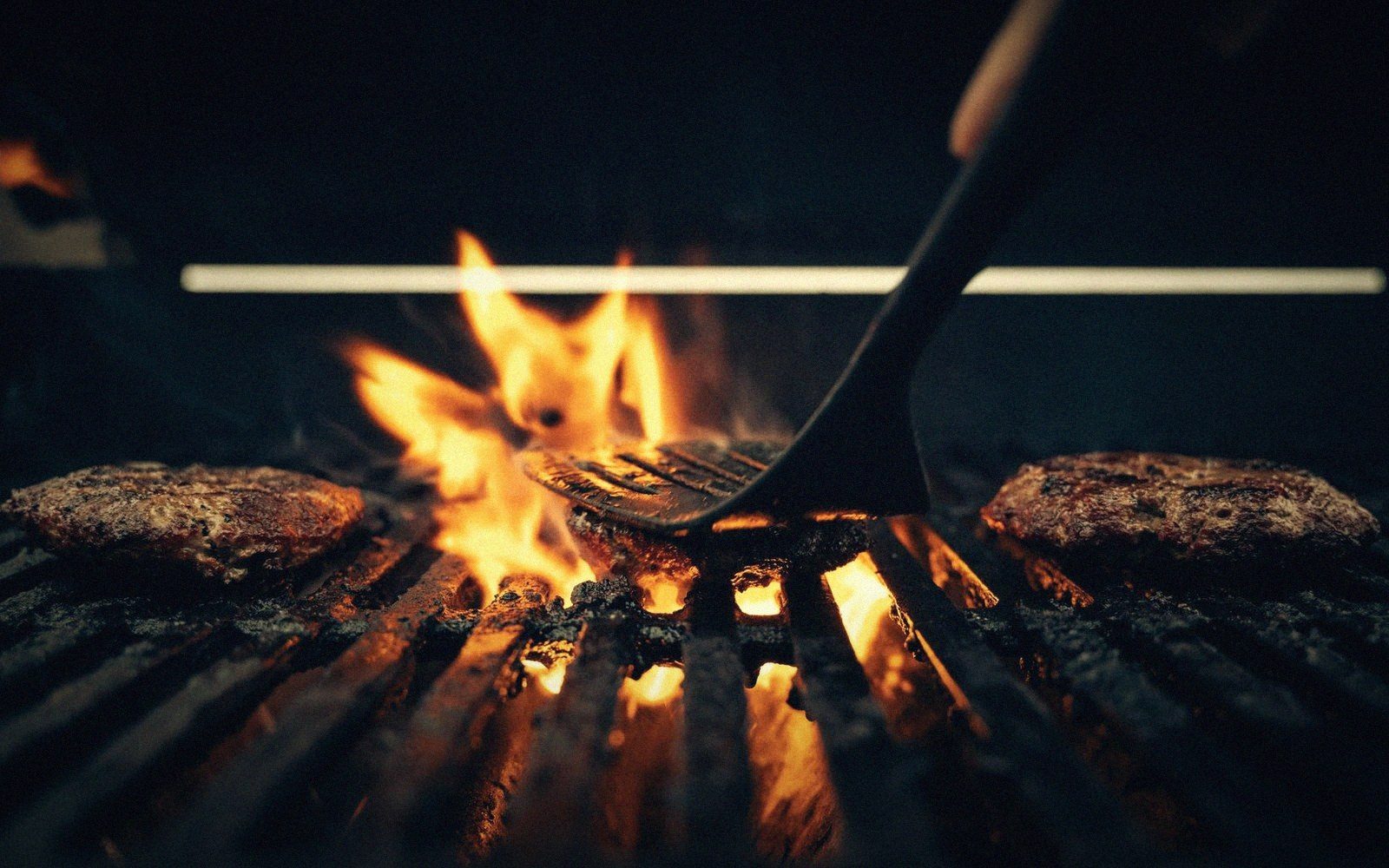
mid-piece
Photo: Chris F / Pexels
Read with this
Entries the register ties to this one.