Cooking for a crowd
The fire is dying from the moment you light it. Plan around that fact, not against it.
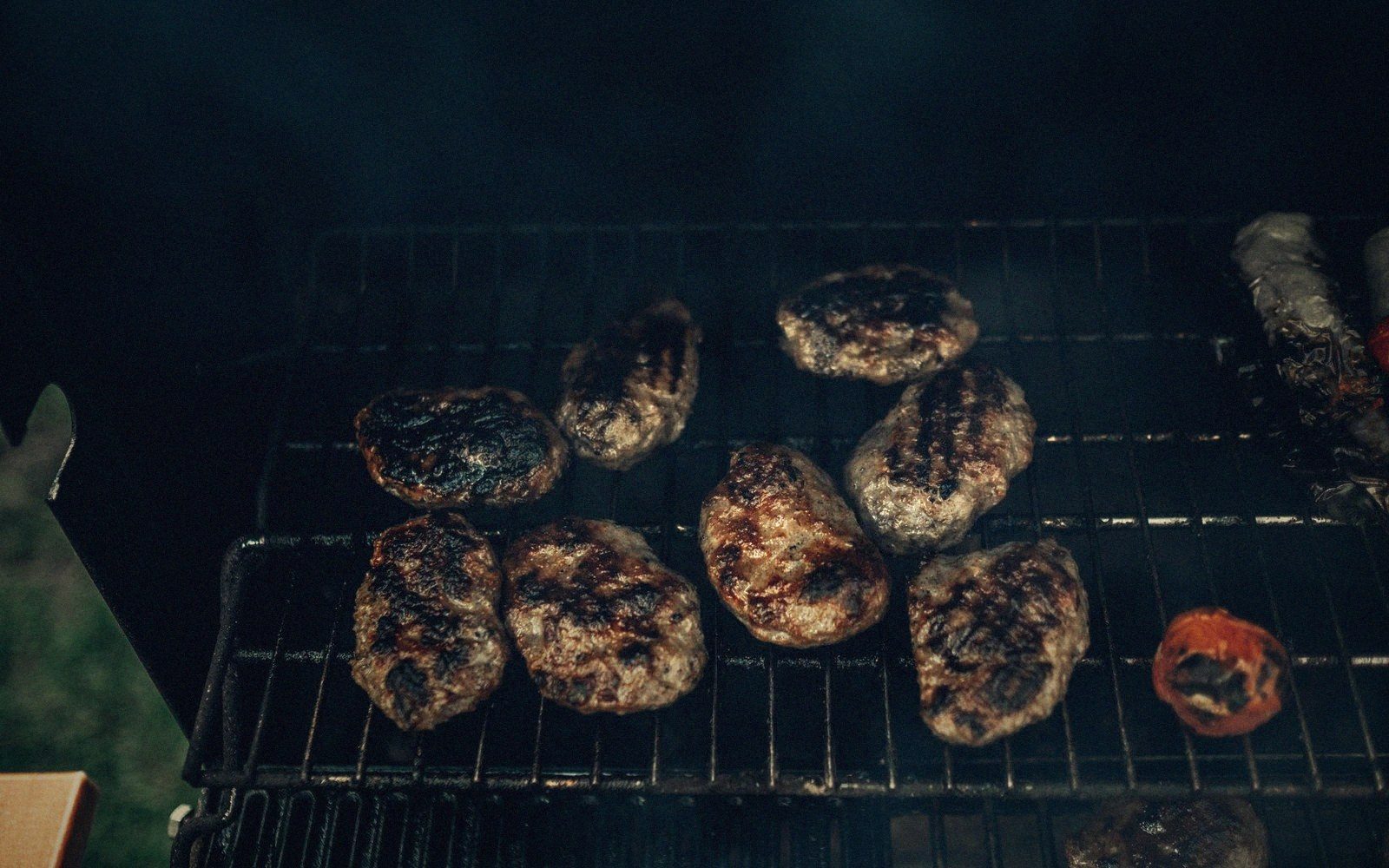
Long cuts: on first, ride the declining heat curve
Photo: Ömer Tosun / Pexels
01The sequencing problem
Cooking for one or two, you can improvise. Cooking for twelve, the fire is a schedule, and everything on the grate needs to know where it fits in that schedule before you light the coals. The instinct is to think about the food — what to cook, how much of it. The discipline is to think about time and heat: what needs the most, what can tolerate the least, and in what order they have to move.
Long cuts go on first, obviously, but the reason matters. A shoulder or a brisket going indirect for several hours will ride the fire through its hottest phase and into its slow decline, which is roughly the curve it needs anyway. You are not fighting the fire's nature — you are using it. Fast cooks — thighs, sausages, anything that wants direct high heat — go on when the coals are at their most aggressive, and you clear them to a platter before the bed softens. If you reverse the order, you get fast cuts starved of the heat they need, and long cuts rushed when the fire was at its peak.
Sequencing, holding and the fact that the fire is a finite resource that is dying from the moment you light it.
The two-zone setup is not optional at this scale. One side banked high for searing and colour; the other open for finishing, resting on the grate, holding at temperature. Without that cool zone, you have no flexibility — everything is cooking at full intensity whether it's ready to be or not. "Two zones, or nothing" is the structural decision that makes sequencing possible.
02The holding question
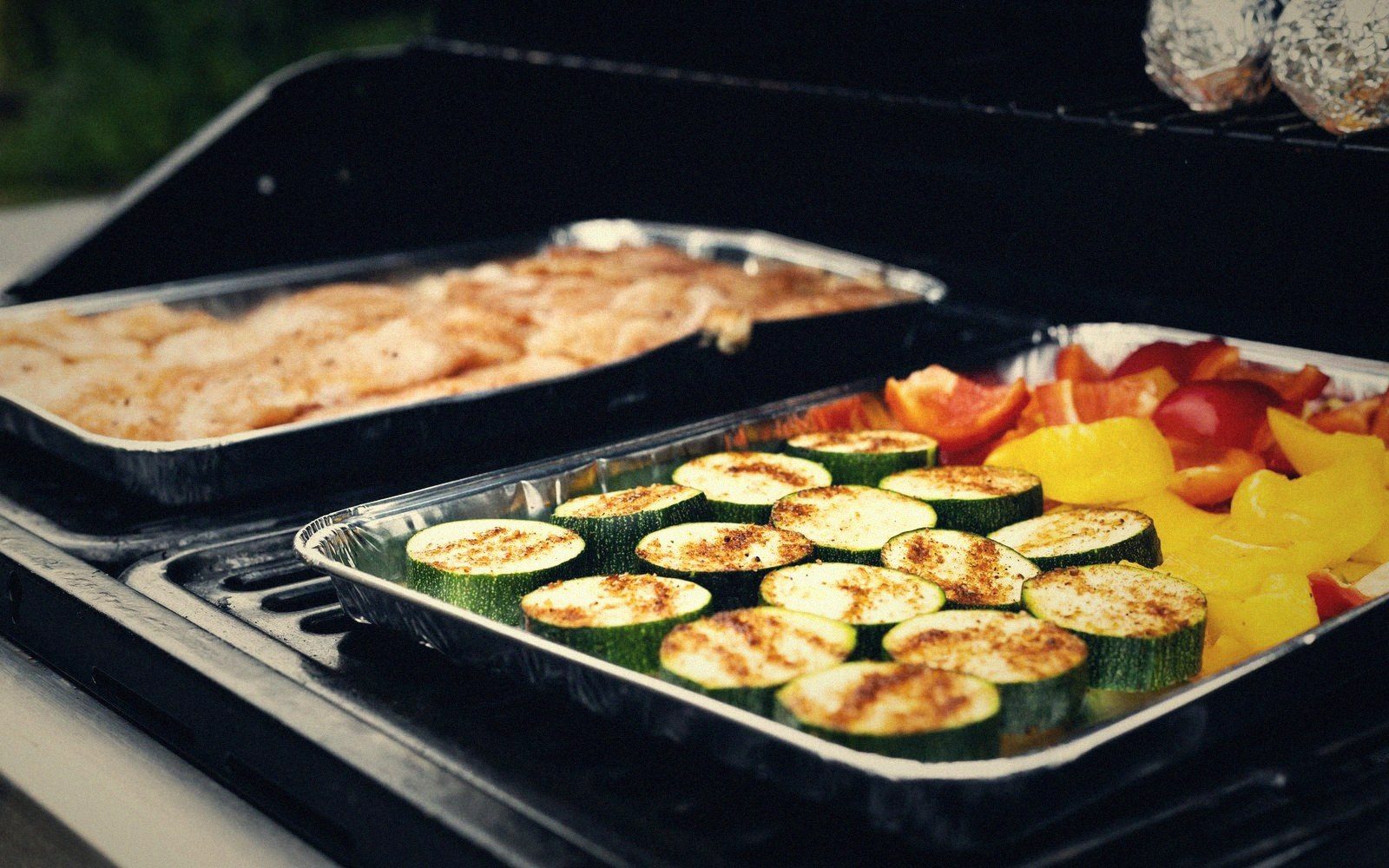
Here is where most group cooks fall apart. The first items off the fire are done thirty minutes before the last items are ready. What happens to them in between determines whether the meal is good. The answer is not to tent loosely in foil and hope. Foil traps steam, softens crust, and keeps cooking the interior at a rate that depends on how tightly you've wrapped it. That variable is impossible to control across a dozen different items.
The better answer is a resting environment that is warm but not hot, covered but not sealed. A deep roasting pan with a lid, pulled off direct heat but kept near the fire on the cool side of the grate — close enough to hold temperature, far enough that it isn't browning further. This is holding without drying, and the principle is keeping moisture in without applying more energy. Large cuts can sit here for longer than you think; smaller items for much less.
03The fire is finite
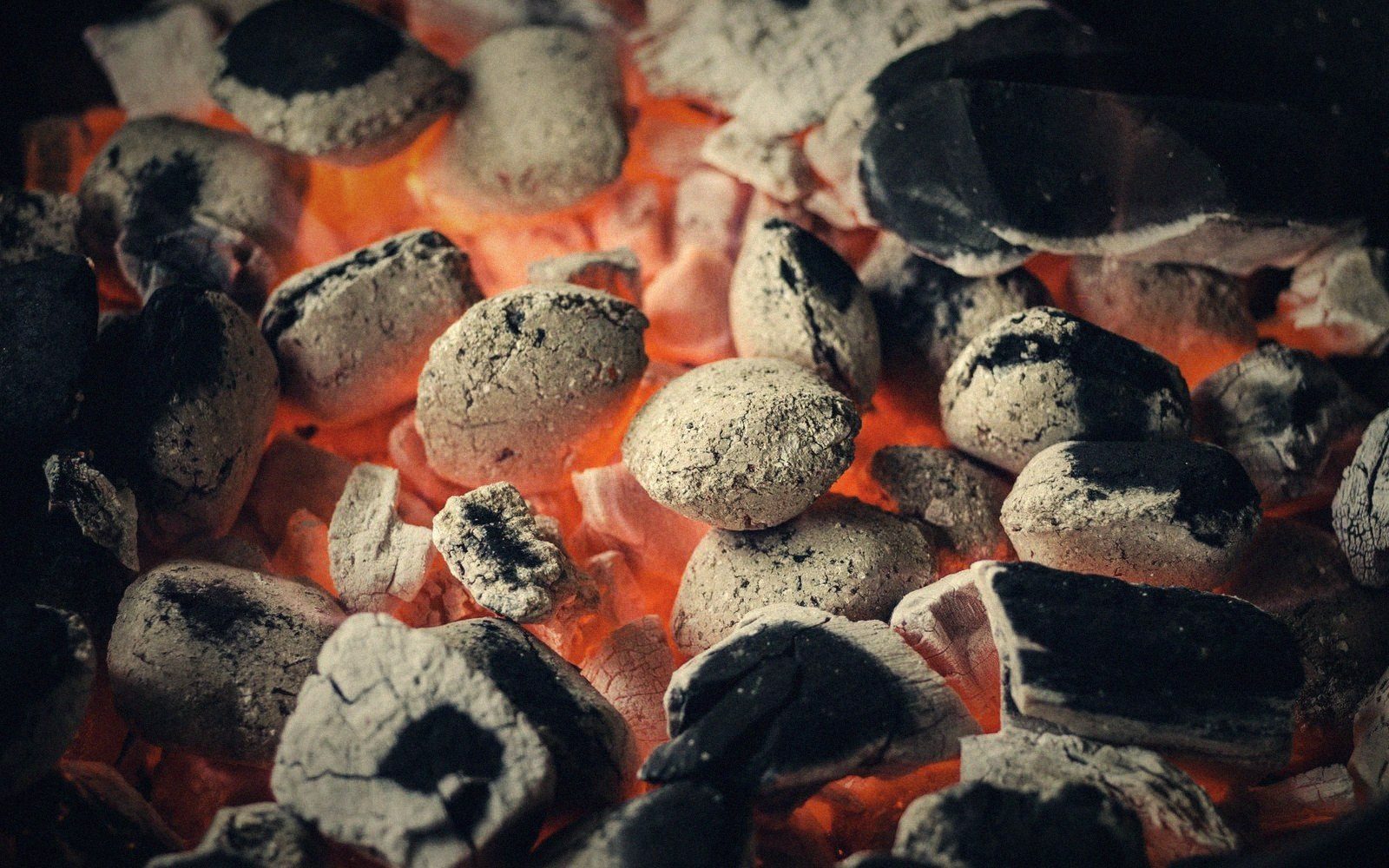
A full chimney of lump charcoal, fully ashed over, is not waiting for you to finish cooking. It is in a continuous process of oxidation, losing mass and intensity from the first moment. For a short cook this barely matters. For a crowd cook running two hours or more, it is the central logistical fact.
The answer is to light a second chimney roughly halfway through the cook — before you need it, not when you do. Adding unlit coals to an active bed drops the grate temperature for twenty minutes while they catch; adding fully lit coals from a chimney staged beside the grill adds heat without that gap. The exact timing depends on how much you loaded at the start, how well your grill retains heat, and what the ambient conditions are, but the principle is always the same: manage the bed proactively, not reactively.
Sequencing, holding and fuel management are not three separate concerns. They are one system. The fire tells you its timeline whether you listen or not; the job of the cook is to build the food's timeline around it, so that everything arrives in the same window, at the right temperature, without the fire having given out before the last thing comes off the grate.
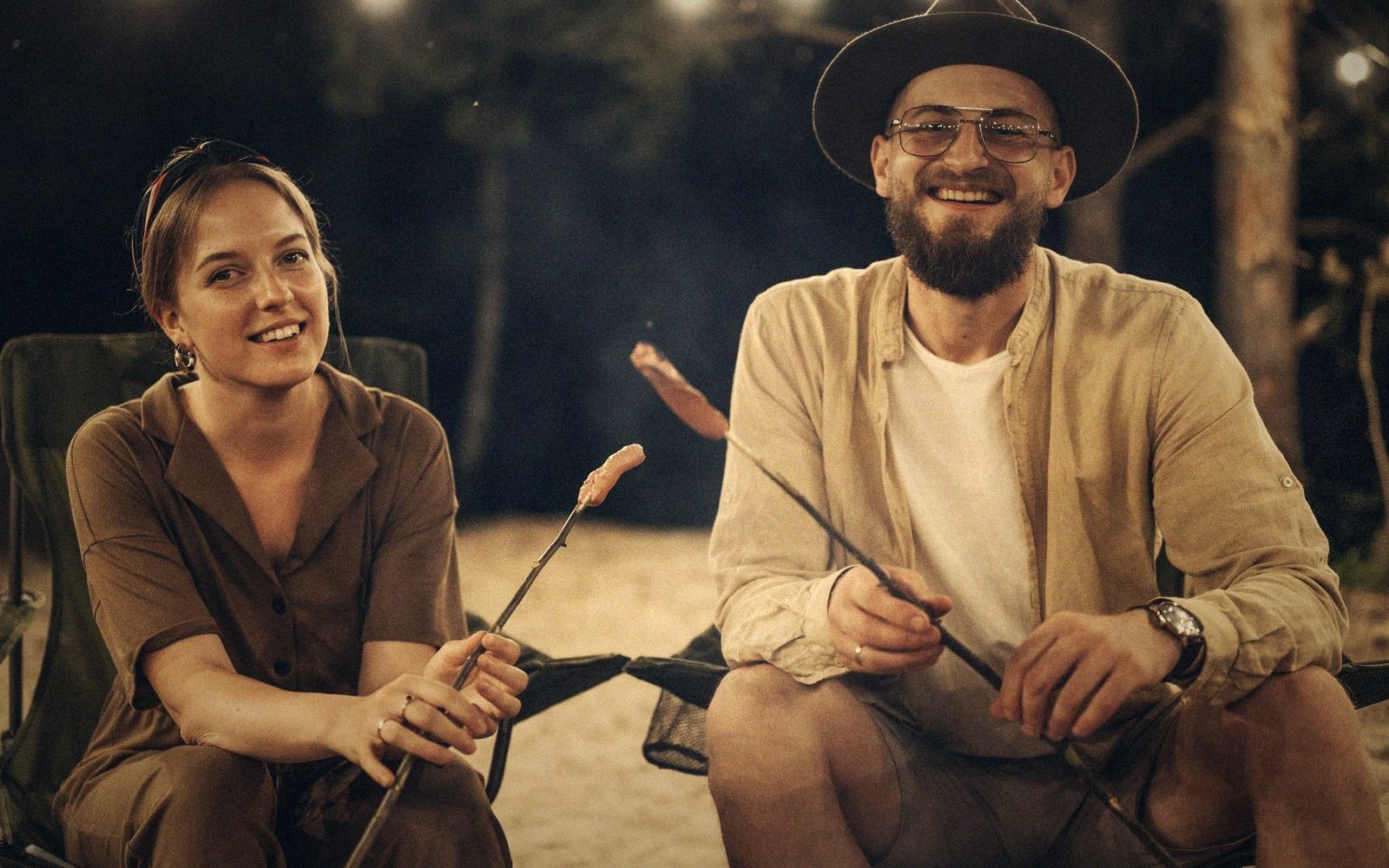
the holding moment
Photo: Pavel Danilyuk / Pexels
Read with this
Entries the register ties to this one.