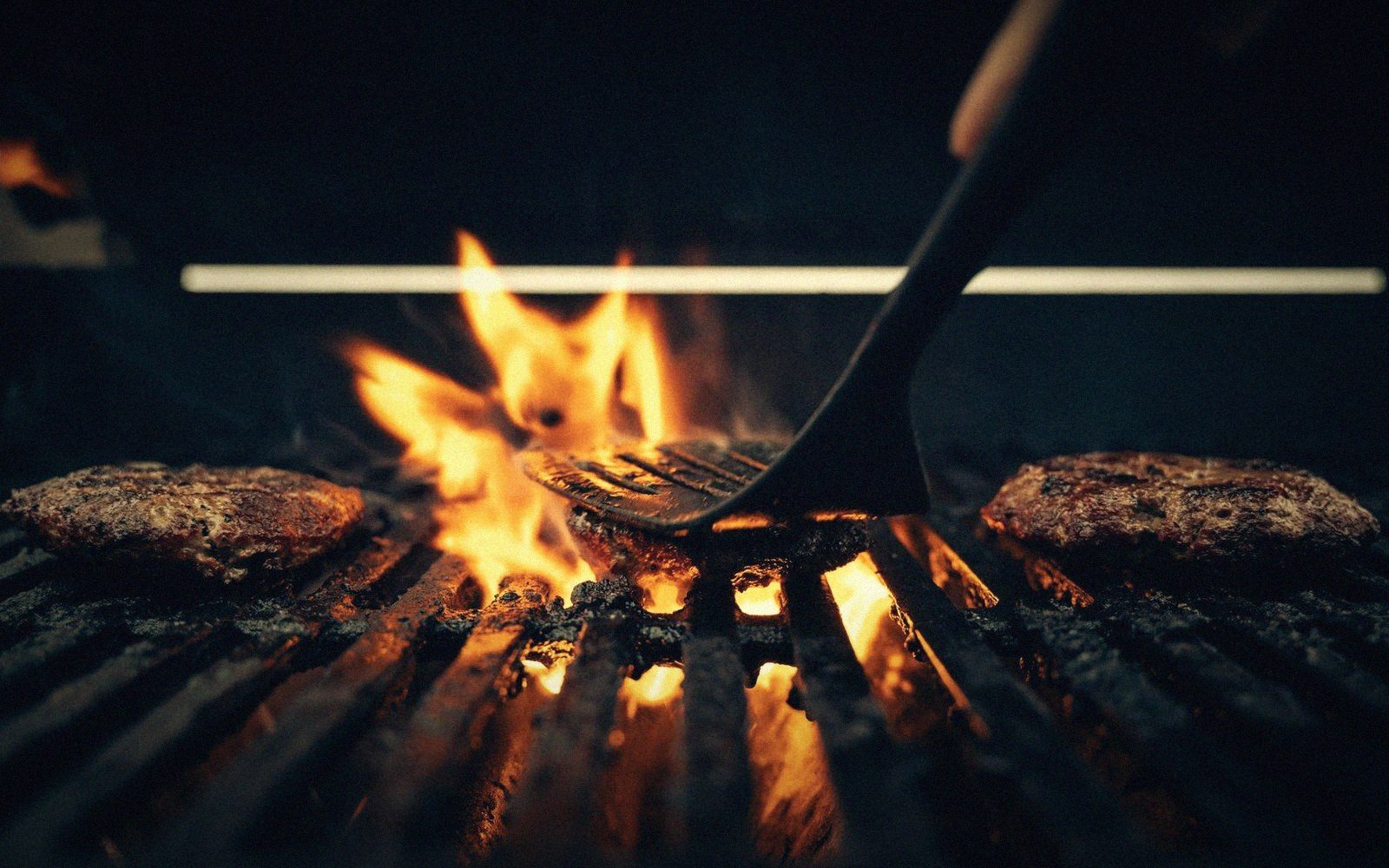
Heat the grate fully before anything else: carbon residue incinerates and brushes off
Photo: Chris F / Pexels
01The sequence matters more than the product
A grate sticks for two reasons: debris from the last cook that carbonised and bonded to the bars, and a cold surface that grips protein before a crust can form. The fix for both is the same, and it happens before anything goes on.
Get the fire established and the grate over it. Let it run hot — properly hot, five to ten minutes at least — before you put anything on the bars. What you're doing is finishing the incineration of whatever was left behind. Burnt carbon is brittle; it brushes off. Soft, sticky residue from a cold grate does not. A stiff wire brush or a half-onion face-down across the bars does the same job: mechanical removal of a surface that is now ash rather than grease. The grate is clean.
A hot clean grate sticks less than a cold oiled one.
Now oil it. Fold a paper towel into a pad, soak it lightly in a high-smoke-point oil, hold it with tongs, and wipe the bars in one direction. The oil hits a hot surface and polymerises almost instantly, laying down a thin non-stick layer rather than pooling in a cold one. This is the moment it works. The same oil applied to a cold grate five minutes earlier would simply drip off or sit there, doing nothing useful, burning away before the grate reaches temperature.
The order — heat, clean, oil, cook — is why a well-used grate that has been maintained this way gets better rather than worse. Each cook adds a little more polymerised carbon to the surface. That seasoning is exactly what builds up on cast iron over years of use, and it earns its keep the same way: a surface that releases cleanly rather than one that tears.
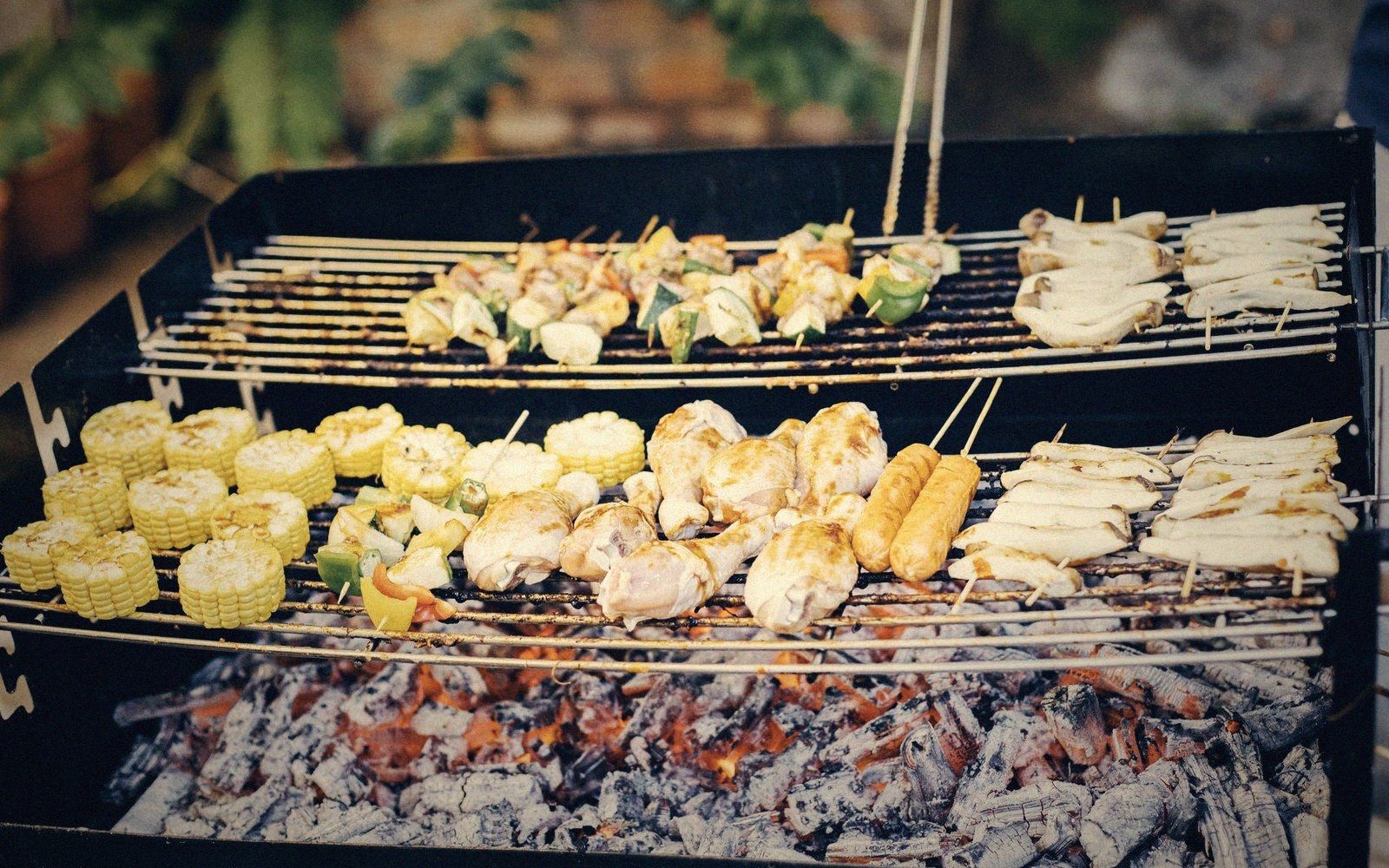
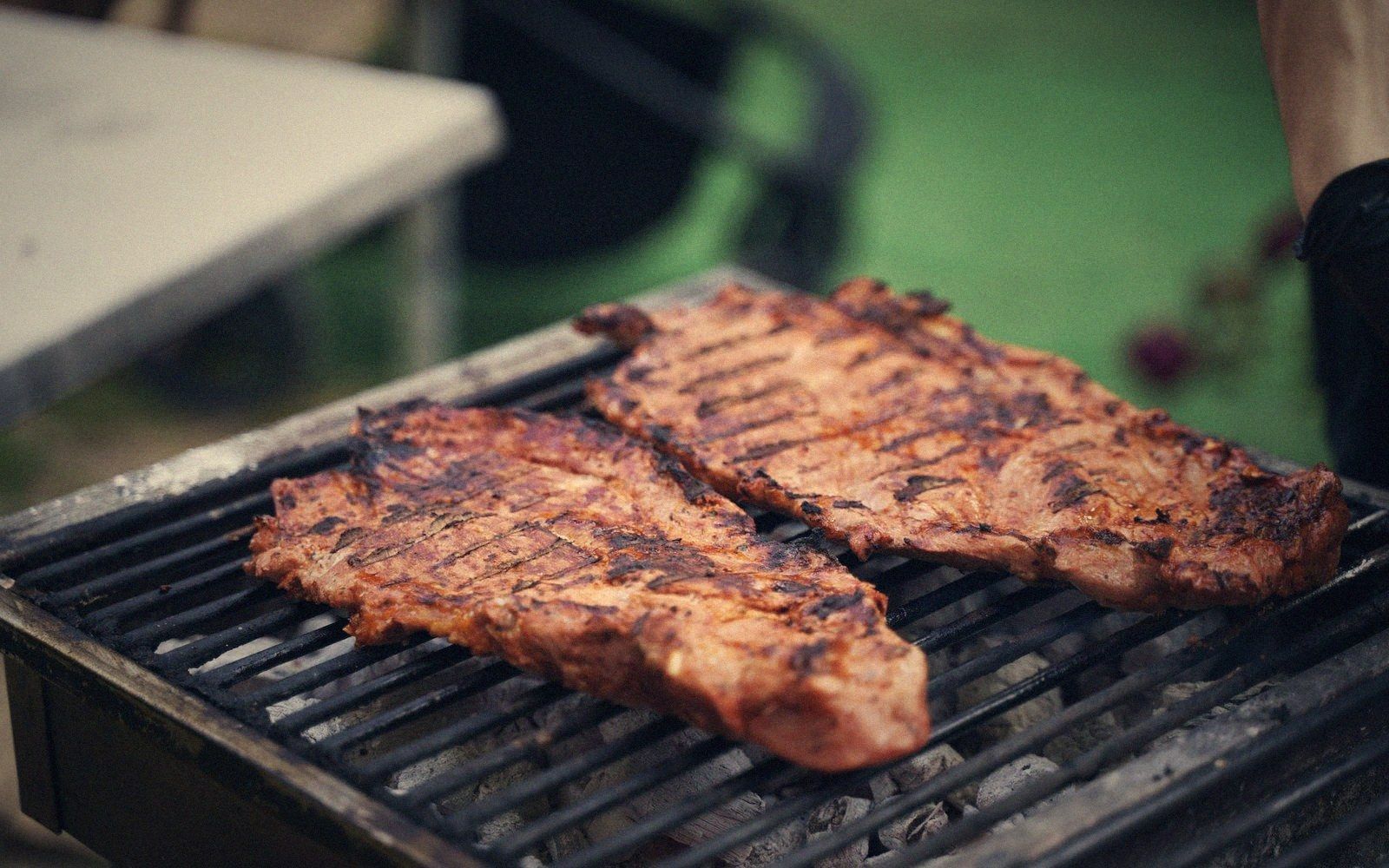
The failure mode is equally clear. Cold grate, raw protein. The surface contact needed to build a crust instead becomes the moment the protein welds itself to the bar. Pulling too early makes it worse — the crust isn't formed, the meat tears, and you've lost juice and surface texture both. Some cooks try to compensate by oiling the meat rather than the grate, and that helps a little, but it doesn't replace the prepared surface underneath.
There is no grate-cleaning product worth discussing and no magic brush type. Heat is the active ingredient. The cleaning and the oiling are just two steps in a single preparation that starts when the coals do.
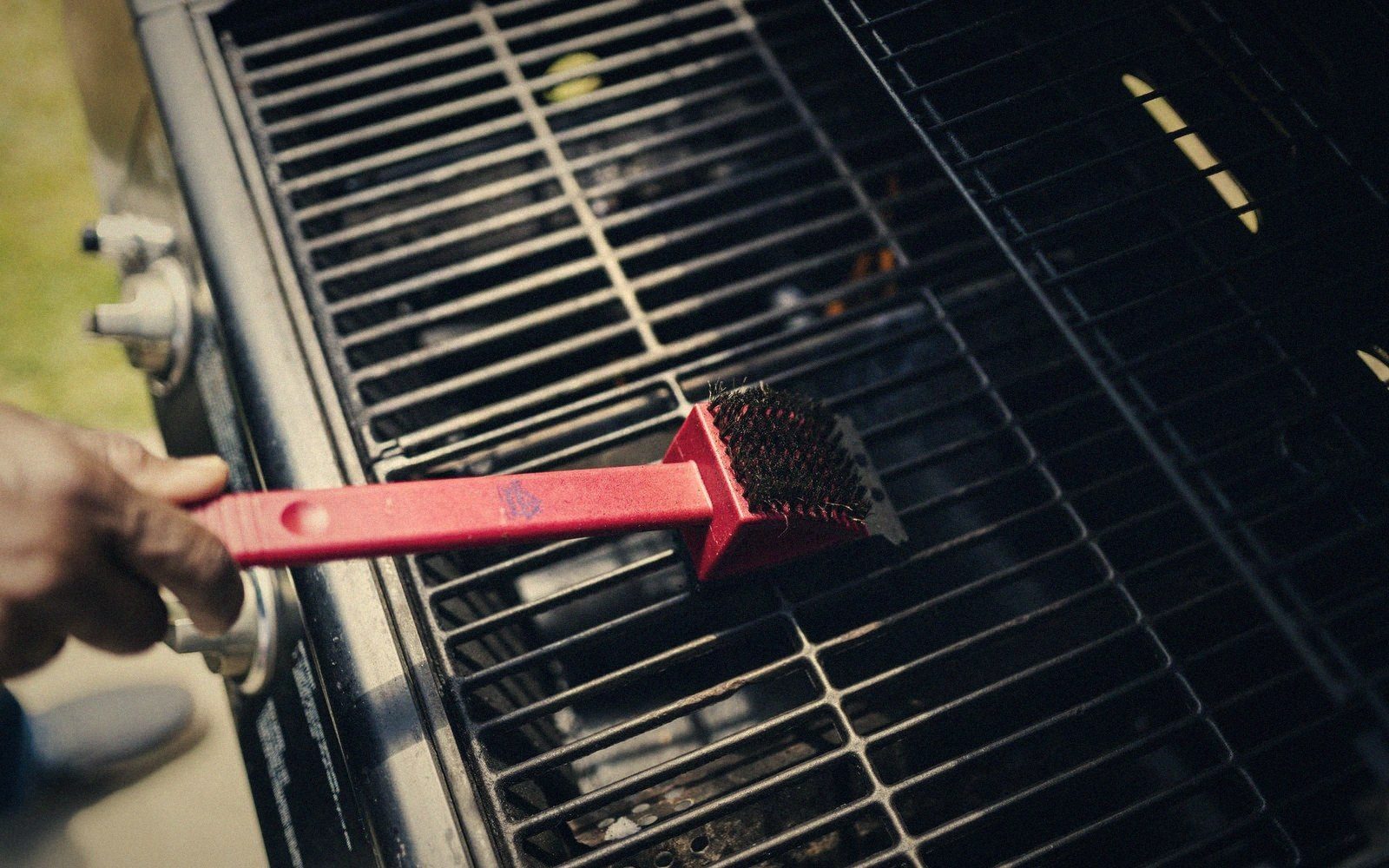
mid-article, illustrates seasoned surface
Photo: RDNE Stock project / Pexels
Read with this
Entries the register ties to this one.